



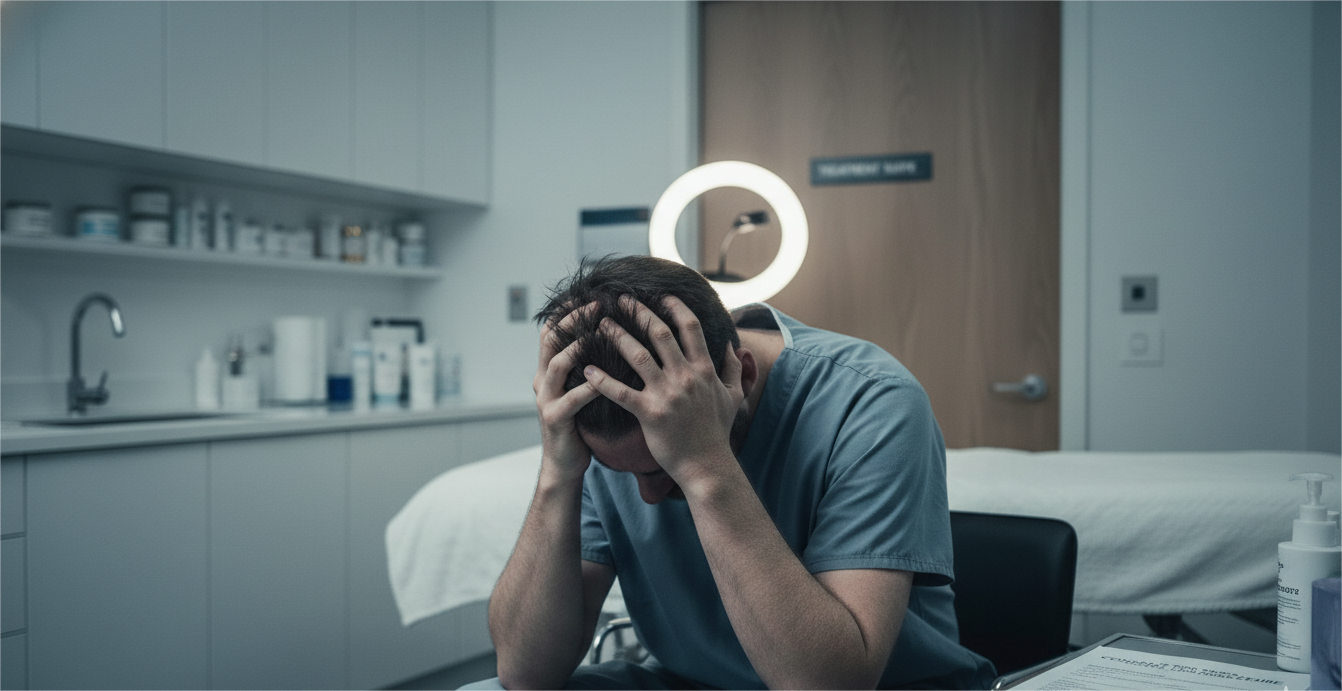
When people plan a cosmetology treatment, they usually think about the procedure, the products, or the technology being used. What many don’t realize, however, is that their stress levels before and after the treatment can make a big difference in the final results.
Your skin is deeply connected to what’s happening inside your body. So when your mind feels overwhelmed, your skin often shows it too. Because of this, even advanced treatments may not deliver their full benefits if your body is under constant pressure.
Let’s break this down in a simple way.
Before Treatment, Why Your Mental State Matters
Ideally, your skin should be calm and balanced before any cosmetology procedure. But when you’re stressed, your body releases a hormone called cortisol. This hormone can quietly interfere with how your skin behaves.

Higher cortisol levels can increase oil production, which may lead to sudden breakouts or clogged pores. At the same time, stress can reduce healthy blood flow. When that happens, your skin doesn’t get enough oxygen or nutrients.
As a result, skin under stress often becomes:
- More sensitive
- Easily irritated
- Slightly inflamed
In this state, treatments may feel stronger than usual, and recovery might take longer.
How Stress Can Influence Different Treatments
Different procedures react differently when the body is under pressure.
- Facials and Hydrafacials : These treatments are meant to boost hydration and glow. However, when circulation is poor due to stress, that fresh glow may not last as long as expected.
- Chemical Peels : Peels help renew the skin, but stressed skin can feel more tingling or irritation during the process. Redness may also take a bit longer to settle.
- Laser Treatments : Laser procedures rely on the skin’s ability to heal well. When stress levels are high, inflammation may increase, which can slow recovery slightly.
- Injectables like Botox or Fillers : Even these treatments depend on the body’s natural healing response. If you’re mentally or physically drained, minor swelling or bruising may take longer to fade.
This is one reason many skin professionals, including teams at clinics like Maynee Cosmetology Clinic in Velachery, often ask about lifestyle and stress along with skincare history. It’s all connected.
After Treatment, Where Many People Go Wrong
Getting the treatment is only one part of the journey. What happens afterward matters just as much.
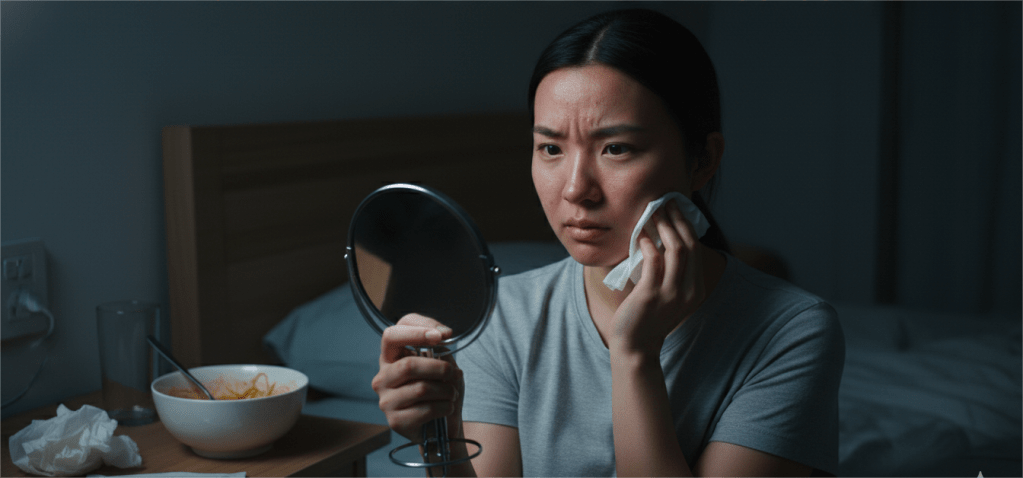
After any procedure, your skin goes into repair mode. During this time, your body needs rest, hydration, and balance. But if you go straight back to poor sleep, long work hours, and constant tension, the healing process can slow down.
Ongoing stress after treatment may:
- Slow collagen production
- Prolong redness or sensitivity
- Delay skin barrier repair
- Trigger new acne or pigmentation
For example, you might notice a beautiful glow right after a facial. But if the next week is full of late nights and pressure, that glow can fade much faster than it should.
So post-treatment care is not just about applying creams. it’s also about giving your body a chance to recover calmly.
Why Relaxation Actually Helps Your Skin Heal
When you’re relaxed, your body shifts into repair mode more easily. Blood circulation improves, which helps carry oxygen and nutrients to skin cells. At the same time, inflammation levels stay lower.
Because of this, people who manage stress well often notice:
- Longer-lasting results
- Faster reduction in swelling
- Smoother skin texture
- A healthier overall glow
In simple terms, a calm body creates a better environment for your skin to heal and respond to treatments.
The Brain–Skin Connection
Your brain and skin are more connected than you might think. They communicate through what scientists call the brain–skin axis.
When you feel emotional pressure, your nervous system releases chemicals that can increase inflammation in the skin. That’s why skin issues like acne, pigmentation, and sensitivity often flare up during stressful periods.
So yes, your feelings can show up on your face, quite literally.
Easy Ways to Support Your Skin Before and After Treatment
The good news is that small habits can make a noticeable difference.
Before your appointment
Try to sleep well the night before. Drink enough water, and avoid experimenting with new or strong skincare products. If you’re feeling nervous, a few minutes of deep breathing can help your body relax.
After your treatment
Give yourself permission to slow down a little. Proper sleep, hydration, and gentle skincare go a long way. Avoid unnecessary stress where possible, and follow the aftercare advice given by your skin professional.
Final Thoughts
Cosmetology treatments work best when your skin and body are in a healthy, balanced state. Managing stress before and after a procedure can help your skin heal faster, respond better, and maintain results for longer.
Glowing skin isn’t only about what you apply on the outside. It’s also about how well you care for yourself on the inside — because a calm mind truly supports healthy, beautiful skin. Many skin professionals today take this whole-body approach into account, including teams at Maynee Cosmetology Clinic, Velachery, where lifestyle and stress factors are often discussed alongside treatment plans.
FAQ
Stress accelerates visible aging by elevating cortisol, which breaks down collagen and elastin, leading to wrinkles, sagging, dullness, and dryness while worsening acne, inflammation, and hair thinning/loss.
Short-term stress sharpens focus, boosts energy, and prepares the body for action through adrenaline and cortisol surges. Chronic stress damages health by raising blood pressure, weakening immunity, disrupting sleep, and increasing risks of anxiety, depression, heart disease, and burnout.
Manage stress through daily relaxation (meditation, yoga, exercise), quality sleep, and a balanced diet rich in anti-inflammatories to lower cortisol and reduce flare-ups like acne or eczema. Protect skin with a gentle routine: mild cleansing, moisturizing with ceramides/niacinamide, SPF daily, and avoiding habits like picking—consult a dermatologist for persistent issues.
Stress reduction: Use meditation, yoga, exercise, or therapy to lower cortisol; combine with adequate sleep and a balanced diet to prevent flares and improve skin resilience. Skin-specific care: Apply topical anti-inflammatories (niacinamide, hydrocortisone OTC) or prescriptions (retinoids, steroids) from a dermatologist; maintain gentle routines with moisturizers and avoid triggers like picking.
Routine as ritual: Engaging in a consistent skincare routine promotes mindfulness and self-care, triggering relaxation responses that lower cortisol levels and foster a sense of calm. Confidence boost: Improved skin appearance from effective products enhances self-esteem, reducing anxiety and emotional stress tied to insecurities or perceived flaws.
Reduce stress impact: Practice daily mindfulness, exercise, and ensure 7-9 hours of sleep to lower cortisol levels, preventing breakouts, dryness, or premature aging. Skincare defense: Use gentle cleansers, antioxidant-rich moisturizers (with niacinamide or vitamin C), and daily SPF to strengthen the skin barrier and combat inflammation.
Hormonal response: Stress releases cortisol and adrenaline, increasing oil production, inflammation, and sebum buildup, which clogs pores and triggers acne, breakouts, or flare-ups in conditions like eczema and psoriasis. Barrier disruption: Prolonged stress weakens the skin’s protective barrier, impairs collagen/hyaluronic acid production, and slows healing, leading to dryness, sensitivity, premature aging, and worsened rashes or hives.
Elevated cortisol boosts oil production and inflammation, leading to acne breakouts, clogged pores, and flare-ups in conditions like eczema, psoriasis, or hives. Barrier breakdown: Stress weakens the skin’s protective layer, causing dryness, sensitivity, redness, delayed healing, and premature aging signs like wrinkles or dullness.
Yes, stress can indirectly affect skin color by triggering hormonal changes that lead to paleness (from vasoconstriction), redness/flushing (from inflammation), or hyperpigmentation (like melasma from cortisol spikes). Chronic stress may worsen conditions causing uneven tone, such as acne scarring or dullness, but effects vary by individual and can be mitigated with stress management.
Visible changes: Acne breakouts, redness/flushing, dryness/dullness, under-eye bags/dark circles, and rashes like hives or eczema flares from inflammation and hormonal surges. Aging and tension: Premature wrinkles/fine lines (forehead, brows), puffiness (“cortisol face”), and muscle stiffness causing jaw pain or furrowed expressions.