


Subtotal $0.00

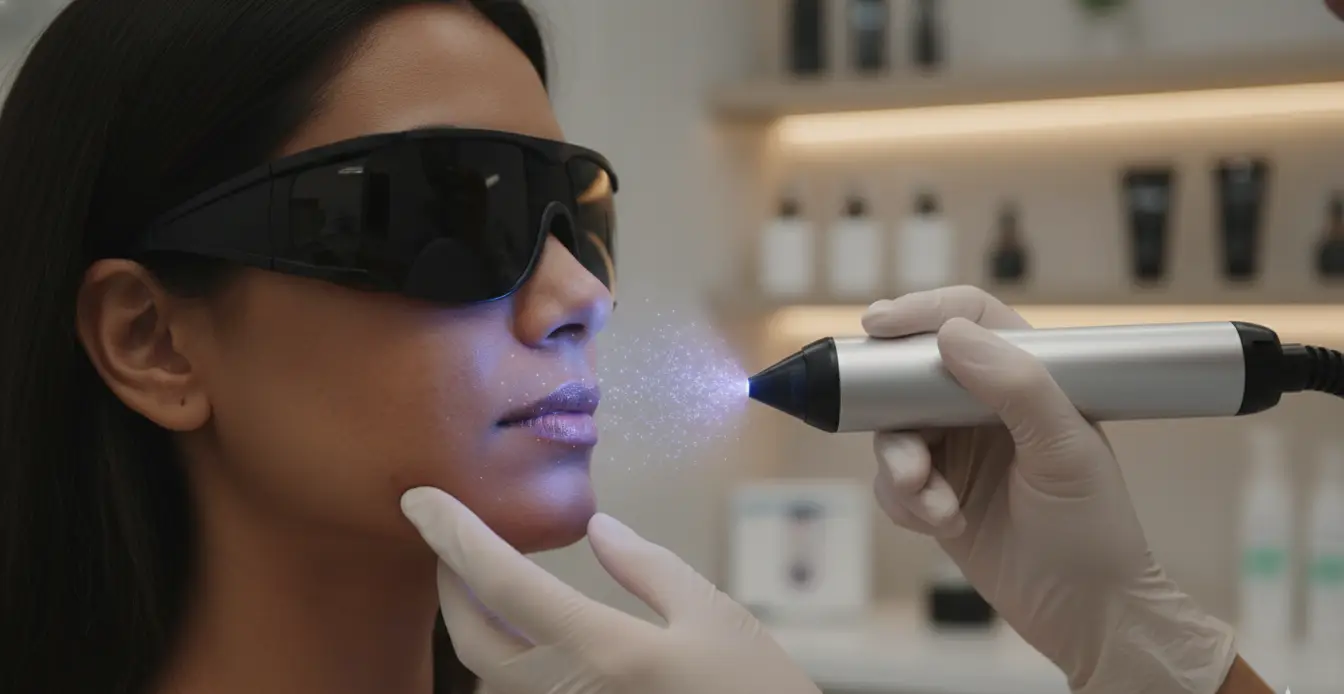
Pigmentation issue problems are very common in India. Many people see dark patches. Sun, acne, hormones, and age can cause them. Because of this, people now want safe and fast treatments. One popular option in 2026 is the pico laser.
In this guide, you will learn what pico laser is used for. You will also learn why it is needed, who can use it, and the real pico laser downtime side effect.
What Is Pico Laser?
Pico laser is a modern skin treatment. It sends very fast laser pulses into the skin. Older lasers mainly use heat. However, pico laser uses pressure waves.
Because of this, pico laser for Indian skin pigmentation 2026 is safer for darker skin. Also, it reduces heat damage. In simple words, the laser breaks unwanted pigment while protecting nearby skin.
What Is Pico Laser Used For?
Pico laser treats many skin concerns. However, doctors mainly use it for pigmentation issue cases.
It helps treat melasma, sun spots, freckles, acne marks, age spots, and uneven skin tone. In addition, many people choose PicoSure pigmentation removal when creams do not help. Therefore, it is popular for stubborn pigment.
Why Is Pico Laser Needed?
Many people first try creams. However, creams usually work only on the surface. In contrast, many pigmentation issues sit deeper in the skin.
Because of this, pico laser becomes useful. First, it reaches deeper pigment. Next, it works faster than creams. Moreover, it suits Indian skin when experts perform it. Also, downtime stays low. Finally, results often look more even.
For these reasons, doctors often suggest pico laser.
How Pico Laser Works
The process is simple.
First, the laser sends ultra-fast pulses into the skin. Then, the pulses break pigment into tiny pieces. Next, your body clears the pigment slowly. Meanwhile, collagen production improves.
As a result, the skin looks clearer over time. Also, the low heat lowers burn risk.
Who Can Use Pico Laser?
Pico laser suits many people. Still, a proper consultation is important.
It works well for people with melasma, acne dark spots, sun damage, and uneven tone. It also suits people who want low downtime treatments. In many cases, Indian skin responds well when experts perform the procedure.
However, pregnant women and people with active skin infections should wait. Therefore, always consult a trained professional first.
PicoSure Pigmentation Removal: Why It Is Popular
Today, PicoSure pigmentation removal is widely used. It uses advanced picosecond technology to break stubborn pigment.
Because the pulses are very fast, heat damage stays low. As a result, recovery is usually quick. Moreover, it works well on resistant pigmentation. For these reasons, many clinics prefer pico technology in 2026.
What Happens During the Session?
The session is quick and simple.
First, the skin is cleaned. Next, you receive protective eyewear. Then, the doctor delivers laser pulses. After that, soothing gel is applied. Finally, sunscreen is used.
Most sessions take about 15 to 30 minutes. Afterward, you can usually return to daily work.
Pico Laser Downtime Side Effects
Most patients recover quickly. Still, you should know the pico laser downtime side effects.
Common temporary effects include mild redness, slight swelling, warmth, dryness, and temporary darkening of spots. Usually, these settle within hours or a few days.
Rarely, blisters or post-inflammatory pigmentation may appear. Because Indian skin can react to pigment changes, always choose an experienced clinic.
Aftercare Tips
Good aftercare improves results. Therefore, follow these steps.
Use sunscreen daily. Keep your skin moisturized. Also, avoid strong sun for a few days. In addition, follow your doctor’s skincare routine. Finally, attend all recommended sessions.
At the same time, avoid picking the skin. Also avoid harsh scrubs, strong acids, and excess heat exposure. When you follow these tips, healing becomes smoother.
How Many Sessions Are Needed?
The number of sessions depends on your pigmentation issue severity.
Mild pigmentation may need two to three sessions. Moderate pigmentation often needs four to six sessions. However, stubborn melasma may need more sessions.
Usually, doctors space sessions three to four weeks apart. Therefore, gradual improvement is normal.
Why Pico Laser for Indian Skin Pigmentation (2026) Is Trending
In 2026, people prefer safer treatments. Therefore, pico laser demand keeps rising.
It is safer for brown skin. Also, it causes less heat damage. Moreover, recovery is faster. In addition, pigment targeting is precise. Finally, it fits busy lifestyles.
Because of these benefits, many patients now choose pico laser.
Final Thoughts
Pigmentation issue concerns can affect confidence. Fortunately, modern treatments offer better solutions. Pico laser stands out because it treats pigment gently and effectively.
However, results depend on proper diagnosis and expert care. Therefore, always choose trained professionals and follow aftercare carefully.
If stubborn pigmentation bothers you, pico laser may be worth considering at Maynee Cosmetology Clinic, Nungambakkam.
FAQ
1. Who is Pico laser for?
Pico laser suits all skin types, especially Fitzpatrick III-VI (Indian tones) with pigmentation like melasma, PIH, sun spots, acne scars, or tattoos. Ideal for those seeking low-downtime rejuvenation without heat damage risks.
2. Who uses Pico laser?
Dermatologists and clinics treat adults 25-55 with pigment issues, scars, wrinkles, or tattoo removal. Popular among professionals in India for safe brown skin results; patients include busy urbanites wanting quick sessions.
3. Why Pico laser not working?
May fail if pigment is dermal/hormonal (e.g., untreated melasma), improper settings, no sun protection, or too few sessions. Combine with topicals like tranexamic acid; recurrence hits 20-30% without maintenance.
4. Why is Pico laser painful?
Minimal pain feels like rubber band snaps or warm prickles due to ultra-short pulses avoiding heat buildup. Topical numbing cream makes it comfortable; less painful than Q-switched per 2025 studies.
5. Are Pico laser results permanent?
Not fully permanent; pigmentation fades 60-80% but sun exposure/hormones can cause recurrence. Maintenance sessions yearly plus SPF sustain results 1-2 years on Indian skin.
6. Are Pico laser results immediate?
Partial yes, skin looks brighter post-session from exfoliation; full pigment clearance in 1-4 weeks as body clears fragments. Collagen boost visible by week 4-6.
7. Can Pico laser remove pigmentation?
Yes, shatters melanin in melasma/PIH/sun spots effectively (70% improvement in 4-6 sessions). Safer for dark skin than ablative lasers; stimulates collagen too.
8. How often Pico laser?
Every 4-6 weeks for 4-6 sessions initially; maintenance 2-3x/year. Adjust for response, overuse risks irritation.
9. What does Pico laser do for face?
Targets pigment, tightens pores, fades scars/wrinkles, boosts collagen for glow/texture. Evens tone, reduces fine lines without downtime.
10. Which Pico laser is the best?
PicoWay/PicoSure lead for pigmentation (755nm/1064nm wavelengths); PicoWay edges for deeper melasma on brown skin per 2026 trials. Clinic expertise matters most.