
Dermaplaning has shifted quickly from a Hollywood secret to a highly requested treatment across India. If you live in a busy city like Chennai, then you have likely seen it on your feed.

However, because the treatment uses a medical blade, it is natural to have questions. Therefore, this guide breaks down everything about dermaplaning in Chennai. Ultimately, it helps you decide if it matches your skin goals.
What Is Dermaplaning?
At its core, dermaplaning is a safe, gentle skin exfoliation. A trained expert uses a sterile, medical-grade blade. First, they hold it at a sharp 45-degree angle. Then, they sweep it gently across your face. They use very light, upward strokes.

Consequently, this process targets two skin concerns at the same time:
- Dead Skin: It removes the top layer of old skin cells. These cells clog pores and make you look dull.
- Peach Fuzz: In addition, it clears away the fine, soft hair on your face.
The Science: Why It Beats At-Home Shaving
Clinical dermaplaning is very different from using a plastic razor at home. For example, a clinical session offers a deep, even clean in a sterile room. Furthermore, this manual scraping triggers your skin to renew itself faster. Because the blade acts as a deep exfoliator, it reveals brighter skin right away.
Key Benefits for Chennai Weather
Living in Chennai means your skin faces high humidity, strong heat, and heavy city pollution. Obviously, these factors lead to a fast buildup of sweat, oil, and dust. Therefore, dermaplaning offers great benefits for our local climate:
- Better Cream Absorption: Heavy humidity makes skincare creams sit on top of your skin. However, by clearing away dead cells and hair, your serums can sink in much deeper.
- A Smooth Makeup Base: In Chennai’s heat, makeup can cling to dry patches. It often looks uneven. On the other hand, dermaplaning creates a smooth surface. Your foundation glides on easily.
- Instant Glow Without Heat: Many laser treatments create heat. This heat can cause dark spots on Indian skin tones. In contrast, dermaplaning uses no heat or chemicals. Thus, it carries a very low risk of post-inflammatory hyperpigmentation changes.
Dermaplaning vs. Other Methods
To see how this fits your routine, let’s compare it to other popular options:
| Feature | Dermaplaning | Microdermabrasion | Chemical Peels |
| Primary Method | Scraping with a blade | Suction with a diamond tip | Mild acid solutions |
| Removes Peach Fuzz? | Yes | No | No |
| Heat/Chemical Risk | None | Low friction risk | Medium risk |
| Average Downtime | Zero hours | 12 to 24 hours | 2 to 7 days |
| Best For | Dullness and fine hair | Rough texture and scars | Dark spots and lines |
Who Is It For?
Dermaplaning works well for many people, but it is especially helpful for specific skin needs.
Ideal Candidates
- Dull Skin: Specifically, if your face looks tired or dark from urban pollution.
- Aging Skin: It also softens the look of fine lines by clearing old skin.
- Sensitive Skin: Because it uses no chemicals, it is great for people who hate chemical peels.
Who Should Avoid It?
You should skip or delay this treatment if you currently have:
- Active Acne: Moving a blade over painful pimples can spread bacteria. It worsens inflammation.
- Skin Infections: Similarly, this includes active cold sores, eczema, or severe redness.
The Nungambakkam Perspective: Local Skin Concerns
Nungambakkam is a busy commercial and residential hub. However, daily life in this crowded area presents unique challenges for your skin. Local residents and commuters face specific environmental stressors every day:
- Traffic Pollution Buildup: Moving through Nungambakkam High Road exposes your face to heavy exhaust and dust. Consequently, this dirt mixes with your natural oils. It forms a sticky layer that regular face washes cannot clean.
- Hard Water Dryness: Many homes in Nungambakkam rely on groundwater or tanker supply. Unfortunately, the high mineral content in hard water leaves a dry residue. This residue traps old skin cells, making your face look flaky and dull.
For this reason, deep physical exfoliation is highly valuable for local residents. Indeed, it lifts away the trapped pollution and mineral crust to restore a healthy glow.
What to Expect: A Step-by-Step Clinical Journey
If you book a session at a reputable center like Maynee Cosmetology Clinic in Nungambakkam your treatment will follow a clean, safe protocol. A standard session takes about 30 to 45 minutes and involves these steps:
[Step 1: Deep Cleansing] ➔ Removes oil, makeup, and city pollution. ▼[Step 2: Skin Prep] ➔ The skin is dried and fully degreased. ▼[Step 3: The Treatment] ➔ The sterile blade is swept gently at an angle. ▼[Step 4: Hydration] ➔ Application of soothing, hydrating serums. ▼[Step 5: Protection] ➔ Finished with a broad-spectrum sunscreen.
Does It Hurt?
Not at all. Most people say it feels like a light, rhythmic tickling. It is remarkably relaxing, and there is no pain involved.
Debunking the Myth: Will Hair Grow Back Thicker?
This is the most common question experts hear: “Will removing my peach fuzz cause it to grow back thicker or darker?”
The short, definitive answer is no.
Furthermore, this worry is medically impossible. Peach fuzz is structurally different from the thick hair on your scalp. Cutting the hair at the surface does not change the follicle deep under the skin. Therefore, when the hair grows back after a few weeks, it will have the exact same fine texture and light color as before.
Essential Aftercare Tips
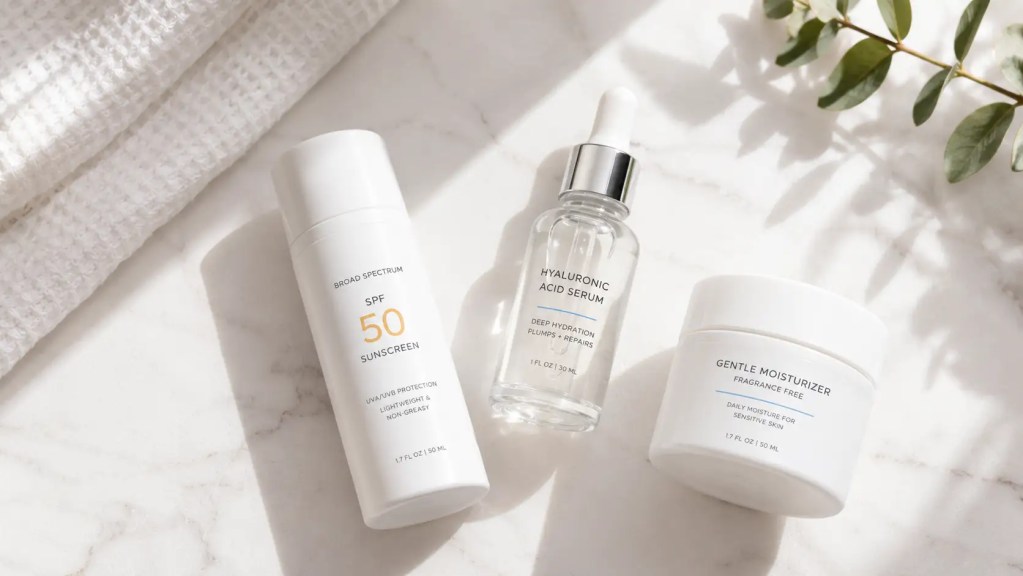
While dermaplaning requires zero downtime, your fresh skin needs gentle care for the first 72 hours to keep your glow.
- Prioritize Sunscreen: Your fresh skin is temporarily sensitive to UV rays. Thus, apply a broad-spectrum sunscreen with SPF 50 every day, especially in the bright Chennai sun.
- Avoid Active Ingredients: Stop using retinols, glycolic acids, or harsh scrubs for at least 3 to 4 days.
- Keep It Hydrated: Instead, use a clean, fragrance-free moisturizer to lock in water.
- Skip the Gym for 24 Hours: Avoid heavy workouts or steam rooms for the first day. Sweating heavily into fresh pores can cause minor bumps.
Finding the Right Care in Chennai
Because dermaplaning uses a specialized blade, choosing a clean clinic with trained staff is vital. Look for centers that emphasize strict hygiene, use single-use blades, and provide an initial skin consultation. In conclusion, taking the time to select a professional clinic ensures you enjoy a safe, relaxing session and walk away with glowing skin.
Frequently Asked Questions
Yes, dermaplaning is completely safe for dark Indian skin tones and is highly recommended by top cosmetologists in Chennai. Unlike some high-heat lasers or strong chemical peels that can trigger hyperpigmentation (dark patches) on melanin-rich skin, dermaplaning is a completely manual physical exfoliation. Because it uses no heat or harsh chemicals, it safely clears dullness without any risk of scarring or pigment changes.
The cost of a professional dermaplaning session in Nungambakkam generally ranges from ₹2,500 to ₹5,000 per session. The exact price varies depending on the medical clinic’s reputation, the expertise of the cosmetologist, and whether you combine the procedure with advanced hydrating serums, soothing face masks, or premium clinical facials.
When performed correctly in a clean, sterile clinic, dermaplaning does not cause acne. In fact, it helps prevent future breakouts by scraping away the dead skin layer and oil buildup that clog your pores. However, if you have active, inflamed pimples, cystic acne, or open skin lesions, you must delay the treatment. Moving a surgical blade over active acne can spread bacteria across your face and worsen inflammation.
No, your facial hair will absolutely not grow back thicker, darker, or coarser. This is a common biological myth. The fine “peach fuzz” on your face is vellus hair. Cutting it at the surface with a sterile blade cannot alter the hair follicle located deep under your skin. Your hair will grow back with the exact same fine texture and light color as before your treatment.
To find the best clinical care near Nungambakkam High Road, always look for licensed cosmetology centers that prioritize medical-grade hygiene. Ensure the clinic uses single-use, individually packed sterile blades and offers an initial skin analysis by a trained expert. Reading local Google reviews about their post-treatment care and clinical sanitation standards is also highly recommended.
There is zero clinical downtime required after a dermaplaning session. You can return to your regular daily activities and step out into Chennai immediately after your treatment. However, your fresh skin will be slightly sensitive for the first 24 to 72 hours. It is vital to avoid heavy sweating, intense workouts, and direct sun exposure during this brief healing window.
Chennai’s ground and tanker water often contain a high mineral content, which can dry out freshly exfoliated skin. For the first 3 days after your dermaplaning treatment, avoid washing your face directly with harsh tap water. Instead, use filtered or drinking water alongside a gentle, soap-free cleanser. This simple step protects your compromised skin barrier from mineral irritation and locks in maximum hydration.
No, clinical dermaplaning cannot be safely replicated at home. Drugstore plastic razors are duller and designed only to cut hair, often causing micro-tears or skin irritation. In contrast, clinical dermaplaning uses a sterile, medical-grade surgical blade held at a precise 45-degree angle by a trained expert. This professional method safely removes deep dead skin cells without scraping or damaging the skin barrier.
It is highly recommended to wait at least 24 hours before applying any makeup to your face. Your pores are freshly opened and highly sensitive right after the deep exfoliation. Applying heavy foundations or using unwashed makeup brushes can introduce bacteria into your skin, leading to unnecessary irritation or tiny bumps.
You must completely pause the use of “active” skincare ingredients for 3 to 5 days after your session. This includes avoiding chemical exfoliants like salicylic acid (BHA), glycolic acid (AHA), and anti-aging products like retinol. Using these powerful chemicals on deeply exfoliated skin can cause severe burning, redness, and irritation. Stick to a basic routine of a gentle cleanser, a pure hyaluronic acid serum, a fragrance-free moisturizer, and a broad-spectrum sunscreen.