
Alopecia Areata —
Expert Hair Regrowth.
Clinically Proven Protocols.
Chennai's certified dermatology clinic for Alopecia Areata Treatment — PRP therapy, intralesional corticosteroid injections, topical immunotherapy (DPCP) and personalised multi-modal protocols for patchy, total and severe hair loss. Evidence-based care for children and adults at Maynee.

Patchy Hair Loss.
Understood & Treated.
Alopecia Areata is an autoimmune condition in which the body's own immune system mistakenly attacks hair follicles — causing hair to fall out in characteristic smooth, round patches from the scalp, beard, eyebrows, eyelashes or body.
Alopecia areata affects approximately 2% of the global population — including children, teenagers and adults of any age. Unlike gradual male-pattern baldness, it can appear suddenly as smooth, coin-shaped bald patches. The follicles are not destroyed; they are suppressed — which is precisely what makes the condition treatable. Once the immune attack is interrupted, genuine hair regrowth is achievable.
At Maynee, Alopecia Areata Treatment is delivered by certified dermatologists using a trichoscopy-guided, evidence-based multi-modal protocol — combining intralesional corticosteroid injections, PRP therapy, topical immunotherapy (DPCP), minoxidil combinations and phototherapy as appropriate.
The Immune Mechanism — Why Hair Follicles Are Attacked & How We Correct It
Four Stages of Alopecia Areata —
Why Early Treatment Matters
Alopecia areata exists on a spectrum of severity. Treatment success is directly linked to the stage at which intervention begins — earlier treatment produces faster, more complete and more lasting hair regrowth.
Solitary Patch
One smooth, round bald patch — most commonly on the scalp. The earliest and most treatable stage. With prompt intervention, near-complete regrowth is achievable for the majority of patients.
Best Stage to Treat · Highest Regrowth RateMultiple Patches
Three or more patches coexist on the scalp, beard or other areas. Regrowth is still achievable but requires a more intensive, multi-modal protocol. Prompt treatment prevents further spread.
Treatable · More Intensive Protocol RequiredAlopecia Totalis
Complete or near-complete loss of scalp hair. Beard and eyebrows may also be affected. Significant partial or full regrowth remains possible with systemic and immunotherapy protocols.
Systemic & Immunotherapy ProtocolsAlopecia Universalis
Total loss of all scalp and body hair — including eyebrows, eyelashes and beard. The most severe form, managed with DPCP immunotherapy and systemic therapy with realistic expectations.
Advanced Protocols · Realistic Expectations
Six Evidence-Based Treatments —
One Personalised Protocol
No single treatment works for all patients or all stages. Our certified dermatologists select and combine the precise modalities — guided by trichoscopy and disease assessment — to give your follicles the best possible chance of sustained regrowth.
Intralesional Corticosteroid Injections
The most clinically proven first-line treatment for patchy alopecia areata. A corticosteroid (typically triamcinolone acetonide) is injected directly into bald patches, suppressing the local T-cell immune attack and allowing dormant follicles to re-enter the growth cycle. Sessions every 4–6 weeks; initial vellus regrowth visible within 8–12 weeks. Endorsed as first-line therapy by IADVL.
PRP — Platelet-Rich Plasma Therapy
Your own blood is processed to concentrate platelet-rich plasma, then injected into bald patches. Growth factors (PDGF, VEGF, EGF) stimulate follicular stem cells and counteract the inflammatory environment. Frequently combined with intralesional steroid injections for enhanced, synergistic results. Delivered as 4–6 monthly sessions with maintenance every 3–4 months.
Topical Immunotherapy — DPCP
Gold-standard for extensive alopecia areata, alopecia totalis and treatment-resistant cases. Diphenylcyclopropenone (DPCP) is applied in progressive concentrations to the scalp, inducing a controlled allergic reaction that diverts T-cells away from follicles and effectively resets the autoimmune process. The most effective option for severe and widespread disease, backed by international dermatology centres.
Topical Minoxidil & Corticosteroid Combinations
Topical minoxidil promotes follicle proliferation and extends the growth phase, while topical corticosteroid solutions suppress local scalp inflammation. Used daily at home as a critical adjunct between in-clinic sessions — supporting and sustaining regrowth. The primary approach for younger children, offering clinical efficacy without the need for injections in the initial phase.
Systemic Oral Corticosteroids
For rapidly progressing or actively spreading alopecia areata, a short course of oral corticosteroids rapidly halts disease progression through broad immunosuppression — particularly indicated when multiple new patches are appearing or when there is progression towards alopecia totalis. Always used as a controlled, time-limited intervention with careful monitoring, followed by maintenance topical and injection therapy.
Phototherapy — PUVA & Narrowband UVB
PUVA and narrowband UVB therapy expose the scalp to calibrated ultraviolet light, exerting an immunomodulatory effect that reduces T-cell activity in the follicular environment. Particularly useful for widespread involvement or patients who cannot tolerate systemic medications. Delivered as 2–3 sessions per week over 20–30 sessions, most often in combination with topical treatments.
Six Ways Alopecia Areata Treatment
Changes Lives
Alopecia areata treatment at Maynee does more than stimulate hair regrowth — it restores confidence, protects children through critical developmental years, and gives patients back their relationship with their appearance.
Halts Active Hair Loss — Stops the Spread
The most urgent benefit of early treatment is stopping the immune attack before more follicles are affected. Left untreated, isolated patches can multiply and progress to alopecia totalis. Treatment at Maynee arrests the immune process rapidly — containing existing patches and preventing new ones from forming.
Stimulates Real, Permanent Hair Regrowth
Because alopecia areata suppresses follicles rather than destroying them, the hair that regrows after successful treatment is genuine, permanent hair from your own living follicles. Fine vellus hair appears first (within 8–12 weeks), progressively thickening into normal terminal hair — your natural colour and texture.
Protects Children Through Critical Social Years
Alopecia areata in children carries measurable impacts on self-esteem, school engagement and social confidence. Effective treatment before or during the school years removes this vulnerability — protecting psychological development at a stage when peer perception and identity formation matter enormously.
Reverses the Psychological Impact of Hair Loss
Research shows alopecia areata produces anxiety, depression and reduced quality of life disproportionate to its medical severity. Successful treatment produces measurably significant improvements in psychological wellbeing and body image — benefits that begin as soon as the first signs of regrowth appear.
Treats Eyebrows, Eyelashes & Beard Loss
Alopecia areata frequently affects eyebrows, eyelashes and beard — profoundly altering facial appearance and identity. Maynee's protocols address all hair-bearing areas with site-specific intralesional injections and topical therapy — not just the scalp — so recovery is comprehensive.
Reduces Recurrence with Long-Term Management
At Maynee, treatment doesn't end when hair grows back. A personalised monitoring and maintenance plan — including periodic trichoscopic assessments and prompt re-treatment at the earliest signs of reactivation — significantly reduces the frequency and severity of relapses over the long term.
Alopecia Areata Treatment
Explained by Our Dermatologist
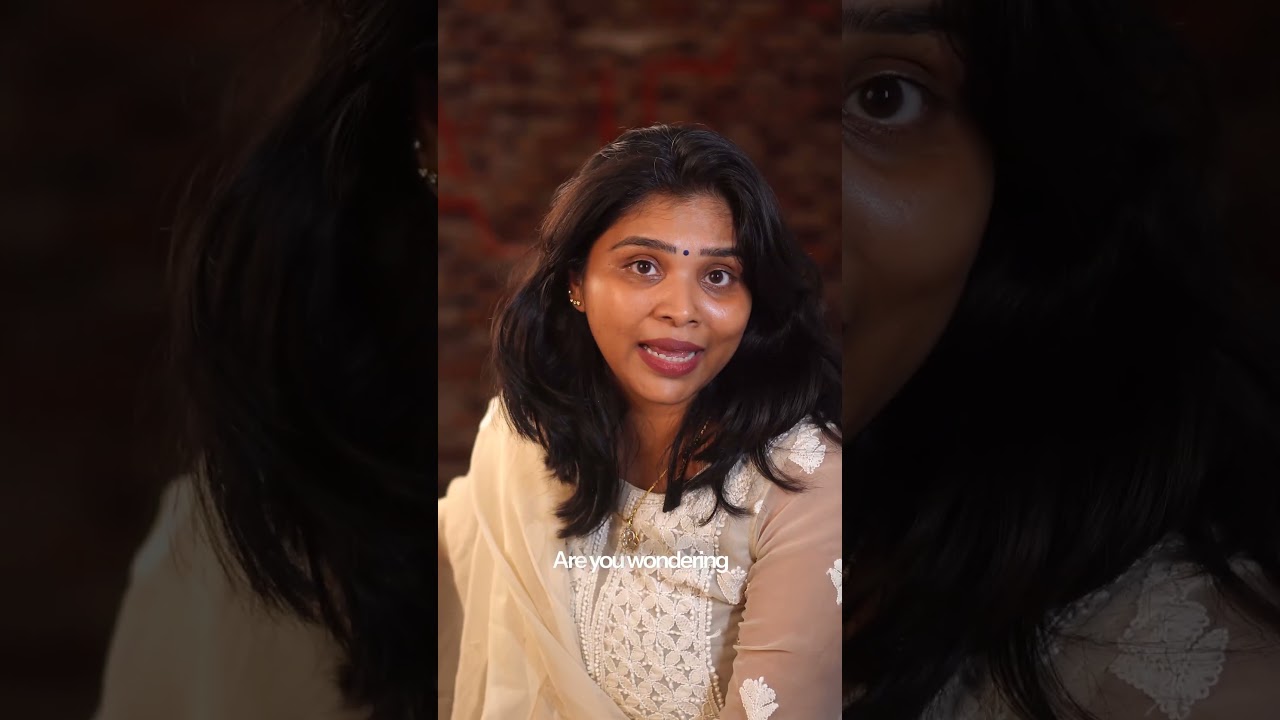
Watch our certified dermatologist explain Alopecia Areata — what it is, how the autoimmune mechanism causes patchy hair loss, and how our multi-modal treatment protocol at Maynee Clinic Chennai achieves genuine, lasting hair regrowth.
Alopecia Areata Treatment at Maynee —
Step by Step
Every alopecia areata treatment at Maynee follows a structured, dermatologist-led process — from initial scalp assessment and trichoscopy through personalised protocol design, in-clinic treatment sessions and long-term follow-up care.
Dermatological Assessment & Trichoscopy
A comprehensive scalp and hair assessment by your certified dermatologist. A detailed medical history is taken — including duration and pattern of hair loss, family history, associated conditions (thyroid disease, vitiligo), and previous treatments. Trichoscopy is performed to identify active alopecia areata features: exclamation mark hairs, yellow dots, black dots and regrowing vellus hairs — confirming diagnosis, staging severity and guiding protocol selection. Blood tests may be ordered if an associated autoimmune condition is suspected.
Personalised Treatment Protocol Design
Based on your trichoscopy findings, disease stage, age and previous treatment history, your dermatologist designs a fully personalised multi-modal protocol — detailing treatments, session frequency, expected milestones and a home-care prescription. For paediatric patients, the protocol is adapted to age-appropriate modalities. You receive a written treatment plan and complete cost transparency with no hidden charges.
In-Clinic Treatment Sessions
Each session begins with a clinical assessment of existing and new patches and response from the previous visit. Topical anaesthetic cream is available for needle-sensitive patients. The dermatologist performs the session treatment — intralesional injections, PRP, DPCP application or phototherapy per the protocol. Clinical photographs are taken at each visit for progress documentation, and homecare instructions are reinforced.
Initial Regrowth Assessment
The first visible sign of response is fine vellus hairs emerging at treated patches — typically within 8–12 weeks. A trichoscopy comparison confirms the extent of follicular recovery. The protocol is reviewed: if regrowth is progressing well, the approach is maintained; if response is partial, the combination is intensified or adjusted. This is a pivotal, motivating milestone for patients and parents alike.
Terminal Hair Regrowth & Long-Term Maintenance
Vellus hair progressively thickens into pigmented terminal hair — restoring normal density. Limited early-stage cases may achieve complete regrowth within 3–6 months; more extensive cases may require 6–12 months. Once satisfactory regrowth is achieved, trichoscopic monitoring every 3–6 months detects early immune reactivation, with prompt re-treatment before new patches visibly develop.
Home-Care Instructions During Your Alopecia Areata Treatment Programme
During treatment sessions: Inform your dermatologist of any new patches since the last visit. Attend sessions at scheduled intervals — irregular spacing reduces cumulative effectiveness. Do not apply oils or products to treated areas on the day of your session.
Between sessions — scalp care: Apply prescribed topical minoxidil and/or corticosteroid lotion as directed — consistency is crucial. Avoid chemical hair treatments (colouring, bleaching, perming) during the active treatment period.
General wellbeing: Manage stress actively — physiological stress can exacerbate autoimmune activity. Maintain a nutritious diet; micronutrient deficiencies (iron, zinc, vitamin D, biotin) can impair regrowth. Ensure thyroid function and associated conditions are optimally managed. Protect the scalp from prolonged direct sun exposure.
The Benefits of Treating Alopecia Areata
at Maynee
A dermatologist-designed, trichoscopy-guided alopecia areata treatment programme at Maynee delivers the most appropriate evidence-based care for your specific stage, severity and goals — for children and adults.
Trichoscopy-Guided Precision
Trichoscopy allows your dermatologist to objectively confirm diagnosis, stage disease severity and track follicular recovery at every visit — clinical decisions driven by what follicles actually show, not estimates.
Multi-Modal Personalised Protocols
Maynee's dermatologists design truly personalised protocols — selecting and combining treatments based on your exact disease stage, extent, age and response. Protocols are continuously adapted as your hair responds.
Safe & Effective for Children
Paediatric alopecia areata requires age-specific approaches — topical-first protocols, lower injection concentrations, and a clinical environment that minimises anxiety. Certified dermatologists experienced in treating children from early school age.
Full Spectrum — All Stages Treated
From a single small patch to alopecia totalis or universalis — Maynee treats the full severity spectrum. Patients with extensive or treatment-resistant cases have access to DPCP immunotherapy and phototherapy unavailable at most general hair clinics.
Early Relapse Detection & Prevention
Long-term trichoscopic monitoring detects immune reactivation before it becomes a visible new patch. Prompt early re-treatment at the trichoscopic stage dramatically reduces hair lost in each relapse cycle.
All Hair-Bearing Areas Addressed
Eyebrows, eyelashes, beard, body hair and scalp are all treated at Maynee — not just the scalp. Site-specific protocols for eyebrow, eyelash and beard alopecia restore the full facial frame.
Psychological Support & Realistic Expectations
Honest, transparent communication about realistic outcomes is built into every consultation. No false promises — clarity and support throughout the treatment journey, including honest discussion for extensive cases.
Evidence-Based, IADVL-Aligned Protocols
Every treatment protocol is aligned with IADVL and international dermatology consensus recommendations — ensuring care is rooted in the best available clinical evidence rather than unvalidated or experimental approaches.
Is Alopecia Areata Treatment
Right for You?
Alopecia areata treatment is appropriate for anyone with patchy hair loss affecting their appearance or wellbeing — children and adults at any stage. A dermatologist assessment confirms diagnosis and designs the most effective protocol.
Ideal Candidates
-
Adults with New or Existing Patchy Hair Loss
Adults of any age who have developed one or more smooth, round bald patches — recently or over a longer period, with or without a formal diagnosis. Even long-standing patches may respond to treatment with PRP and immunotherapy protocols.
-
Children with Patchy Scalp Hair Loss
Children in whom new bald patches have appeared — particularly where hair loss is affecting confidence or creating social anxiety. Early treatment maximises regrowth success and protects the child's wellbeing through school years.
-
Those with Spreading or Multiple Patches
Individuals whose patches are multiplying, merging or expanding — indicating active, progressing disease requiring urgent intervention to arrest spread and prevent advancement towards alopecia totalis.
-
Patients with Eyebrow, Eyelash or Beard Alopecia
Individuals with patchy or total eyebrow, eyelash or beard hair loss — even without significant scalp involvement — who find the loss of these features particularly distressing to appearance and identity.
-
Patients Previously Treated Elsewhere Without Success
Individuals who have received treatment at other clinics without adequate response. A fresh trichoscopy-guided assessment at Maynee identifies why previous treatment may not have been effective and designs an enhanced protocol.
When Assessment Is Particularly Important
Your dermatologist will assess these factors carefully before designing a treatment protocol:
- Very long-standing alopecia totalis or universalis (10+ years) — honest expectation management is provided before proceeding
- Active scalp infection — must be fully treated before alopecia treatment begins
- Known allergy to corticosteroids or anaesthetics — alternative modalities are used after full allergy assessment
- Children under 3 years — topical-only approaches used; intralesional injections deferred until older
- Pregnancy or breastfeeding — systemic corticosteroids and DPCP deferred; safe topical options only
- Uncontrolled diabetes — steroid injections require careful monitoring due to blood glucose effects
- Unrealistic expectations of complete regrowth in advanced alopecia universalis — full honest discussion of achievable outcomes
- Patients unwilling to maintain the treatment programme consistently — inconsistent treatment significantly reduces outcomes
Unsure About Your Hair Loss? Get a Trichoscopic Assessment.
Not all patchy hair loss is alopecia areata. Our certified dermatologists use trichoscopy to accurately diagnose your condition — ensuring the treatment prescribed is appropriate for what your scalp actually shows, not just the naked eye.
Book Scalp AssessmentMeet Your Alopecia Areata Specialists
Every alopecia areata treatment at Maynee is performed or supervised by a certified dermatologist with dedicated expertise in trichology, autoimmune hair disorders, and the full spectrum of alopecia treatment modalities.
 Lead Dermatologist & Trichologist
Specialist Name
Add your dermatologist's biography here — include qualifications (MBBS, MD Dermatology, DDVL, DNB Dermatology etc.), clinical experience in alopecia areata and trichology, areas of expertise (PRP therapy, intralesional injections, DPCP immunotherapy, paediatric alopecia, alopecia totalis/universalis treatment) and any professional association memberships (IADVL, ISDS). 2–3 sentences recommended.
Real Regrowth,
Real Stories
Hear from patients and parents who chose alopecia areata treatment at Maynee Chennai — in their own words.
"My daughter developed a bald patch above her ear when she was 7. The dermatologist at Maynee did trichoscopy on the first visit and identified active alopecia areata with exclamation mark hairs. She started intralesional injections with a topical protocol. Within 10 weeks we could see fine hair growing back. By 4 months the patch was completely covered. The treatment was faster and less painful than I had feared."
"I had multiple patches for 2 years and tried steroid creams on my own with no results. At Maynee they found 7 active patches through trichoscopy — some I couldn't even see myself. They started intralesional injections and PRP combined. All 7 patches showed regrowth by 3 months. I am now 8 months into the programme and my scalp looks almost completely normal."
"I had alopecia in my beard which was really affecting my confidence. My GP told me nothing could be done. The dermatologist at Maynee said beard alopecia responds very well to intralesional treatment. Four sessions later the regrowth was clearly visible. The patches have completely filled in now. I want other men with beard alopecia to know — it is treatable."
Alopecia Areata Treatment
Before & After
Real results from patients treated at Maynee. Clinical photography — no filters, no editing.
 Before
 After
After
Single Patch — Child, Age 8
Single 4 cm patch on the parietal scalp. Intralesional corticosteroid injections combined with topical minoxidil. Complete terminal hair regrowth at 4 months. Result maintained at 12-month follow-up.
 Before
 After
After
Multiple Patches — Adult, Age 34
Five actively spreading patches with trichoscopy-confirmed exclamation mark hairs. Combination of intralesional steroid injections with PRP, 4-week intervals. Significant regrowth at 3 months; near-complete coverage at 6 months.
 Before
 After
After
Beard Patches — Adult Male, Age 29
Two distinct beard patches on cheek and chin. Intralesional corticosteroid injections at 4-week intervals with topical adjunct therapy. Full terminal beard hair coverage at 5 months. Complete symmetry restored.
Individual results vary. Clinical photography shown with full patient consent. Final results vary by stage of disease, duration of hair loss, age, protocol adherence and individual immune response. Trichoscopy-confirmed early-stage cases produce the most complete regrowth outcomes.
Alopecia Areata — Your Questions
Answered
Real questions from our patients and parents — answered by our certified dermatologists. Covering causes, stages, treatments, children, pain, permanence, spread and cost.
Alopecia areata is an autoimmune condition in which the immune system loses its normal tolerance for hair follicles and mounts an inflammatory attack against them. This disrupts the hair growth cycle and forces follicles into a prolonged dormant state — causing hair to fall out in smooth, round or oval patches. Crucially, alopecia areata does not destroy hair follicles; they remain alive beneath the scalp surface. This is why regrowth is possible with treatment that suppresses the immune attack and reactivates the follicles. The condition affects approximately 2% of people globally across all ages and genders, and its severity ranges from a single small patch to total loss of all scalp and body hair.
There is currently no single permanent cure for alopecia areata — it is a chronic autoimmune condition and some patients will experience relapses. However, many patients — particularly those with limited, early-stage disease — achieve complete hair regrowth that may not recur for years or ever. The hair that grows back is real, permanent hair from your own living follicles. With long-term monitoring and early re-treatment at Maynee at the first sign of new immune activity, many patients maintain sustained periods of good hair coverage and minimise cumulative hair loss over their lifetime.
Yes — alopecia areata can progress in susceptible individuals from isolated patches to alopecia totalis (complete scalp hair loss) or alopecia universalis (complete loss of all body hair), though this more extensive progression occurs in a minority of cases. Factors associated with higher risk of progression include: many patches appearing rapidly, disease onset in childhood, nail abnormalities (pitting, ridging), and a family history of extensive alopecia areata. This is why early treatment at the first sign of patchy hair loss is strongly recommended — arresting the disease in its limited stage is significantly more successful than treating extensive hair loss after it has developed.
Most patients find the treatments very manageable, particularly with appropriate preparation. Intralesional corticosteroid injections produce brief, mild to moderate stinging at each injection point — most describe it as tolerable and comparable to a vaccination. Topical numbing cream can be applied beforehand to significantly reduce discomfort. PRP therapy requires a standard blood draw from the arm and scalp injections — producing similar mild to moderate stinging, also minimised with topical anaesthetic. DPCP immunotherapy produces deliberate scalp itching and redness as a therapeutic response, managed with guidance. Phototherapy involves no injections and no pain. None of the treatments at Maynee require general anaesthesia or sedation.
Session numbers and timelines depend on your disease stage and individual immune response. Intralesional injections are delivered every 4–6 weeks — initial vellus hair regrowth is typically visible within 8–12 weeks in responsive cases. PRP therapy is delivered as 4–6 sessions spaced 4 weeks apart, with maintenance every 3–4 months. DPCP immunotherapy for extensive cases requires weekly builds over several months, with regrowth timelines of 3–12 months. Most patients with limited patchy disease see encouraging results within 3 months; more extensive cases require longer programmes. Your dermatologist will give you a realistic, evidence-based timeline specific to your case at consultation.
Yes — alopecia areata in children is absolutely treatable, and early treatment is particularly important for both hair health and psychological wellbeing. At Maynee, paediatric protocols start with topical corticosteroids and minoxidil — non-invasive and well tolerated — for younger children. For older children (from approximately 6 years), intralesional injections become possible with topical anaesthetic preparation. The paediatric protocol is discussed fully with parents at consultation, including realistic expectations and treatment frequency. The psychological benefit of treating alopecia areata in school-age children — protecting them from teasing and social anxiety during formative years — is one of the most compelling reasons to treat promptly.
Exclamation mark hairs are short, broken hairs at the edges of bald patches that are narrower at the base and wider at the tip — shaped like an exclamation mark (!). They form because the immune attack progressively weakens the hair shaft closer to the follicle. Under trichoscopy, they are one of the most diagnostic features of active alopecia areata — confirming the disease is progressing and helping distinguish it from other causes of patchy hair loss. As treatment takes effect, exclamation mark hairs disappear and are replaced by fine vellus hairs — the earliest visible sign of follicular recovery and treatment response.
Alopecia areata is primarily an autoimmune condition driven by immune system dysregulation with a strong genetic component — it is not simply "caused by stress." Many patients develop it without any identifiable stressful trigger at all. However, significant physiological stress can be a precipitating factor in someone already genetically predisposed. Once the autoimmune process has started, reducing stress alone will not reverse the hair loss — the immune attack requires targeted medical treatment to arrest. Stress management is a beneficial, supportive measure but not a substitute for dermatological treatment. Patients who delay treatment hoping stress reduction will resolve the patches may allow the disease to progress unnecessarily.
Because alopecia areata is an autoimmune condition, it is associated with a higher frequency of other autoimmune conditions — most commonly thyroid disorders (Hashimoto's, Graves' disease), vitiligo, atopic dermatitis (eczema), rheumatoid arthritis and type 1 diabetes. Nail changes — including pitting, ridging and trachyonychia — are present in 10–66% of patients and can indicate more extensive disease. At your initial assessment at Maynee, your dermatologist will screen for associated conditions and order blood tests including thyroid function as appropriate. Optimally managing co-existing autoimmune conditions, particularly thyroid disease, contributes positively to alopecia areata treatment outcomes.
Alopecia areata treatment cost at Maynee depends on factors assessed at your initial trichoscopy consultation: the extent and stage of your hair loss, the treatment modalities in your personalised protocol (injections, PRP, DPCP, phototherapy or a combination), and whether treatment is for an adult or a child. Because every protocol is entirely personalised after a thorough dermatological assessment, we do not publish fixed pre-set prices. A complete, transparent cost breakdown with no hidden charges is provided at your consultation after your dermatologist has examined your scalp and designed your specific treatment plan. You leave with full clarity on protocol, timeline and costs — with no obligation to proceed.
Natural Hair Treatment
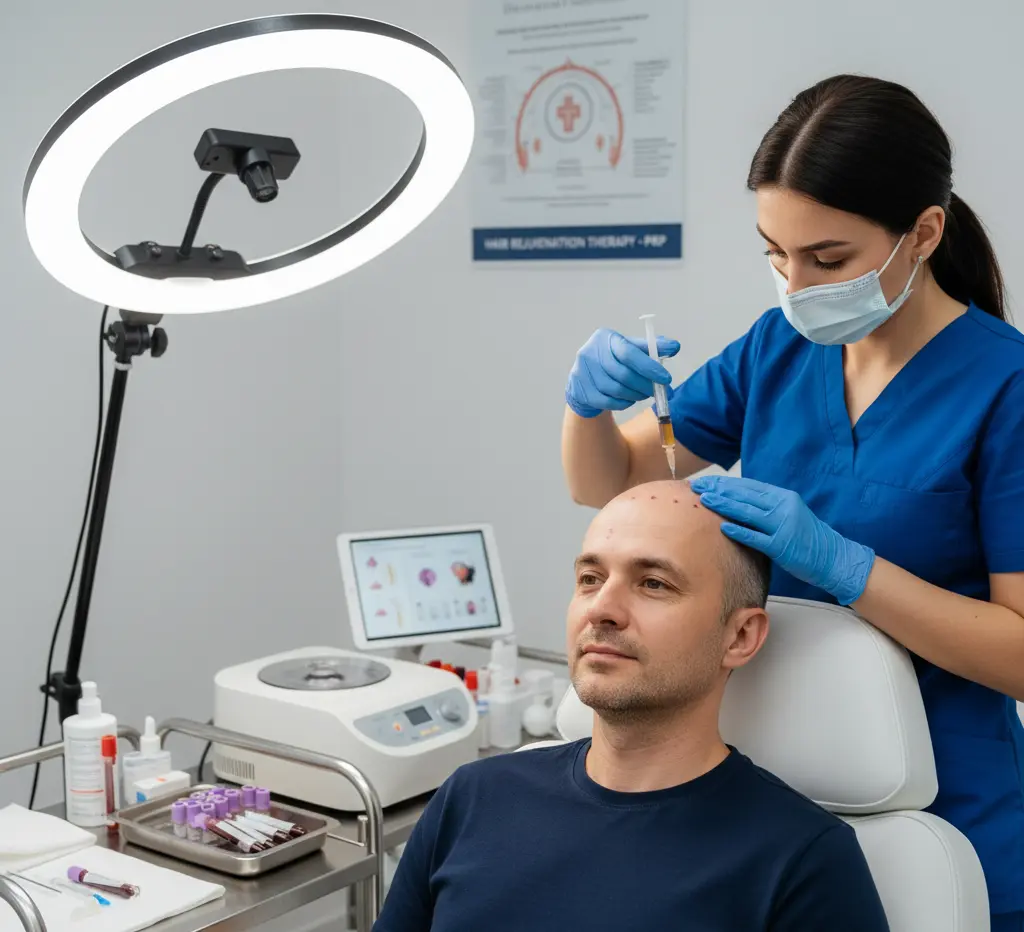
Hair Regrowth therapy uses your own blood's growth factors to reactivate dormant hair follicles — a powerful standalone or adjunct treatment for alopecia areata, androgenetic hair loss and other hair thinning conditions. Delivered by certified dermatologists using clinically validated protocols.
Learn More →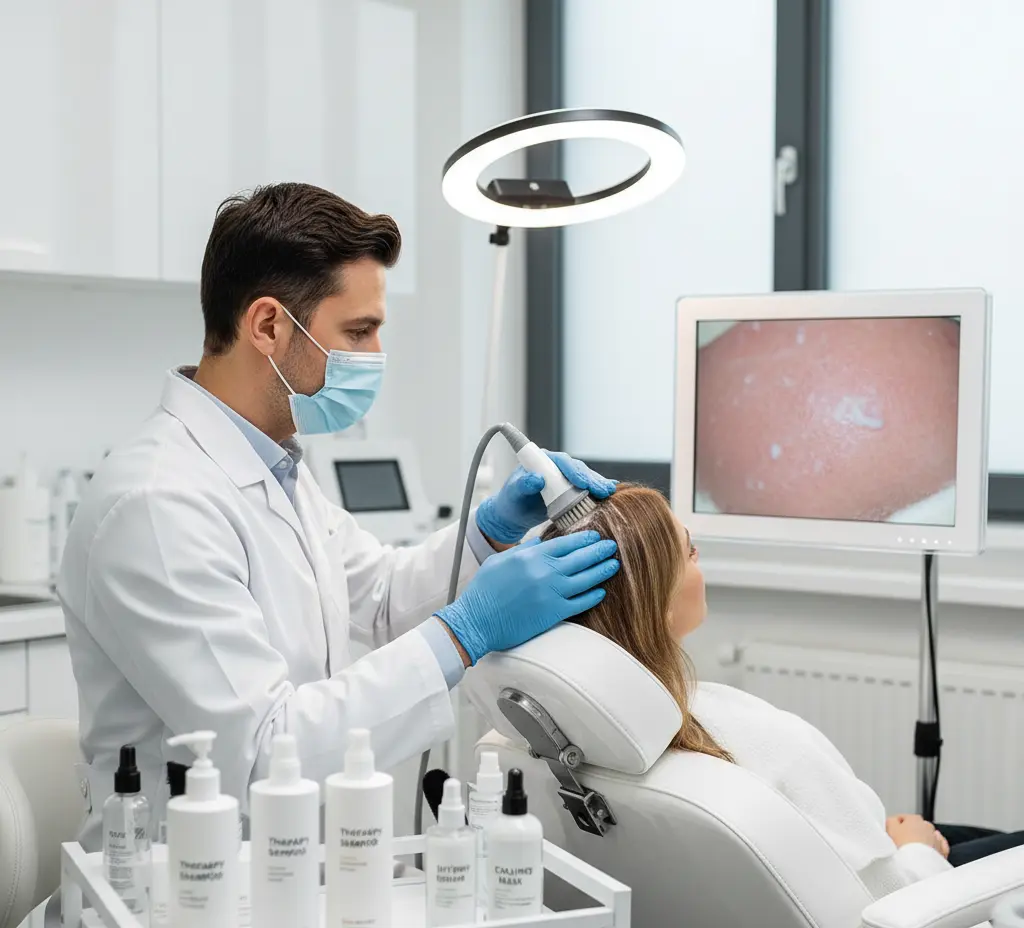
Scalp Care & Treatment
A healthy scalp is the foundation of healthy hair. Maynee's certified dermatologists treat seborrhoeic dermatitis, scalp psoriasis, folliculitis, dandruff and dry scalp disorders using trichoscopy-guided diagnosis and evidence-based protocols that address root causes.
Learn More →
Hair Fall Treatment
Not all hair fall is alopecia areata — telogen effluvium, androgenetic alopecia, nutritional deficiency and hormonal hair loss each require different approaches. Maynee's trichoscopy-guided assessment establishes the precise cause before any treatment is prescribed.
Learn More →Ready to Treat Your Alopecia Areata?
Book a trichoscopy scalp assessment at Maynee and receive a personalised Alopecia Areata Treatment plan — including disease staging, tailored protocol design and complete transparent cost outline. For children and adults. The sooner you begin, the better your outcome.