Subscribe to out newsletter today to receive latest news administrate cost effective for tactical data.

Let’s Stay In Touch

Shopping cart

Subtotal $0.00

View cartCheckout

Normal Peels

Normal Chemical Peel

Normal Chemical peel

What is Normal Chemical Peel?

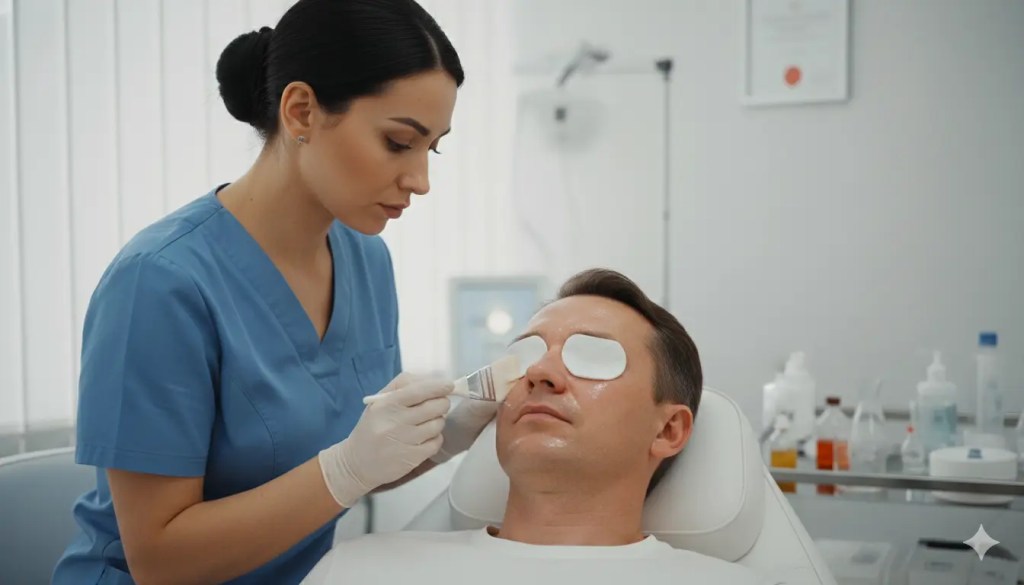
A Normal Chemical Peel is a mild skin treatment that uses safe acid store move dull and damaged skin cells from the top layer. It works gently and yet it improves skin tone, texture and brightness. More over, it suits most skin types, which makes it a popular choice. Common normal peels include the Glycolic Peel, Salicylic Peel (BHAPeel), Lactic Peel (AHAPeel), Black Peel, Lip Peel and Periocular Peel. Each peel targets different concerns while keeping the skin healthy and smooth.

How Normal Chemical Peels?

A Normal Chemical Peel works by breaking the bonds between old skin cells. As a result, it helps the skin shed it stop layer in a controlled way. Then the skin begins to renew itself with fresh, glowing cells. Although each peel type is different, they all boost cell turnover and improve clarity. For example, a Glycolic Peel brightens the skin, while a Salicylic Peel(BHAPeel) reduces oil and acne. Similarly, a Lactic Peel(AHAPeel) hydrates the skin and a Black Peel helps with acne and pigmentation. Even delicate areas like the lips and under-eyes can be treated with the Lip Peel and Periocular Peel.

Uses of Normal Chemical Peel

A Normal Chemical Peel can address many concerns. It helps with dull skin, un even tone, fine lines, clogged pores, mild acne, pigmentation, dry patches and rough texture. Because these peels are mild, they work well for people who want quick results with minimal down time. In addition, they prepare the skin for better product absorption.

Procedure

The procedure is simple, safe, and completed in a short time.

Step-by-step Procedure

  • The skin is cleansed to remove oil, dirt, and makeup

  • Then the chosen peel, such as Glycolic Peel or Lactic Peel (AHA Peel), is applied

  • The peel stays on the skin for a few minutes

  • Next, the peel is neutralized or washed off

  • A soothing serum and sunscreen are applied

Benefits

  • Brightens and smoothens the skin

  • Reduces dullness and uneven skin tone

  • Minimizes acne and oil with Salicylic Peel (BHA Peel)

  • Hydrates the skin with Lactic Peel (AHA Peel)

  • Treats pigmentation with Black Peel

  • Refreshes delicate areas using Lip Peel and Periocular Peel

  • Improves product absorption

  • Offers quick results with minimal downtime

Why Choose Maynee

Maynee Cosmetology Clinic is known for gentle, safe and result-driven skin treatments. The clinic uses high-quality peels that suit your exact skin type and concern. Moreover, experienced cosmetologists assess your skin before choosing the right peel, whether it is a Glycolic Peel, Salicylic Peel, Lactic Peel, Black Peel, Lip Peel or Periocular Peel. In addition, Maynee Clinic follows strict safety standards, offers personalized care and ensures that every session is comfortable.  Therefore, you can trust the clinic for glowing, healthy and refreshed skin.

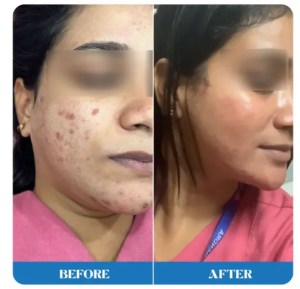
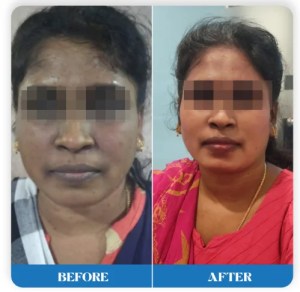
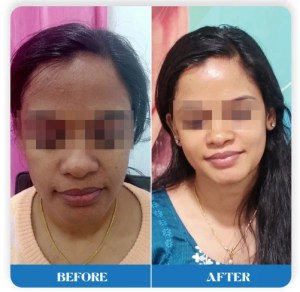
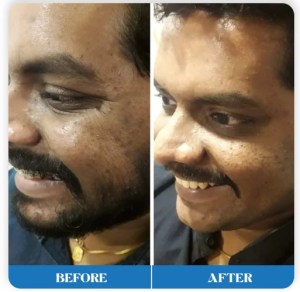
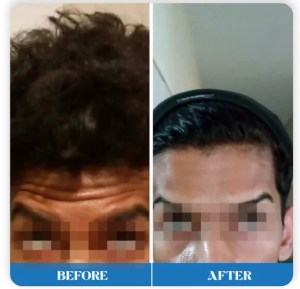
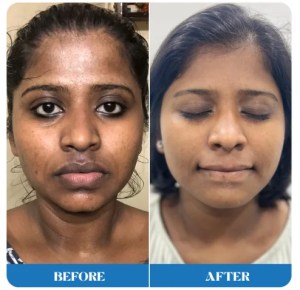
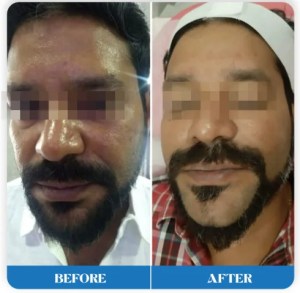
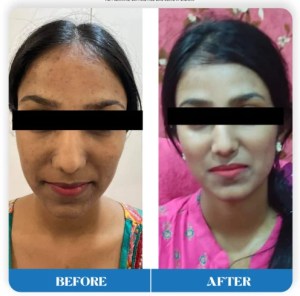
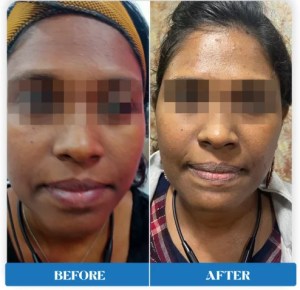
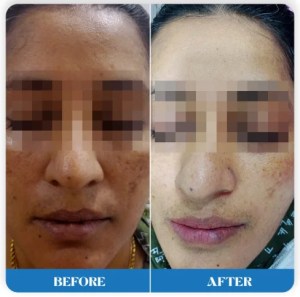
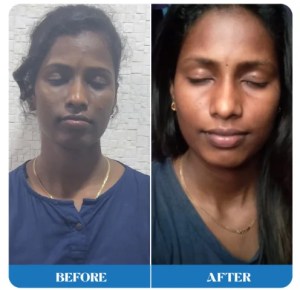
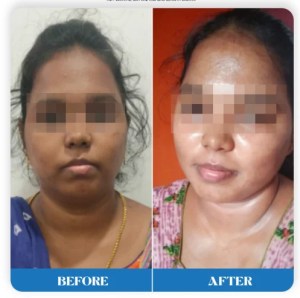
Our Results

Public Opinion

Book An Appointment

    faq removebg

    FAQ

    Three days after a chemical peel, your face typically looks red, flaky, and peeling, with tightness and mild swelling in some areas. The skin may feel sensitive or itchy, but this is a normal part of the healing process as old skin sheds and new skin emerges.

    Yes, chemical peels can effectively reduce dark spots, pigmentation, and sun damage by removing the top layers of skin and promoting cell turnover. Multiple sessions combined with sun protection often give the best, long-lasting results.

    After a chemical peel, you should avoid sun exposure, harsh scrubs, exfoliants, and makeup until your skin heals. Also steer clear of hot showers, swimming pools, saunas, and picking or peeling flaking skin to prevent irritation or scarring.

    To prepare for a chemical peel, avoid sun exposure, tanning, and harsh skincare products (like retinoids or strong acids) for at least a week. Cleanse your skin gently, discuss medical history with your dermatologist, and follow any pre-peel prescriptions or instructions to minimize risks and improve results.

    For beginners, superficial peels with glycolic, lactic, or salicylic acid are safest, gently improving skin texture and glow. They have minimal downtime and low risk, making them ideal for first-time users.

    Superficial peels usually require 3–6 sessions spaced 2–4 weeks apart, while medium peels need 1–3 sessions every 4–6 weeks. Deep peels are typically single-session treatments with longer recovery.

    The right chemical peel depends on your skin type, concern, and sensitivity, as well as your goals (e.g., acne, pigmentation, fine lines). A dermatologist or certified aesthetician can assess your skin and recommend superficial, medium, or deep peels for safe, effective results.

    Three days after a chemical peel, your face usually appears red, flaky, and peeling, with tightness and mild swelling in some areas. The skin may feel sensitive or itchy, which is normal as old skin sheds and new, smoother skin begins to emerge.

    Valentine's Day Special! Enjoy up to 30% off + an additional 10% discount for couples on all treatments T&C Applied