


Subtotal $0.00


A stubborn pigmentation issue can affect how your skin looks. Many people try creams first. However, the results often stay slow. Because of this, skin experts now suggest Q-switched toning. It is gentle and precise. Most importantly, it works well for Indian skin. In this guide, you will learn what Q-switched toning is, how it works, who needs it, and what results to expect.
What Is Q-Switched Toning and How Does It Work?
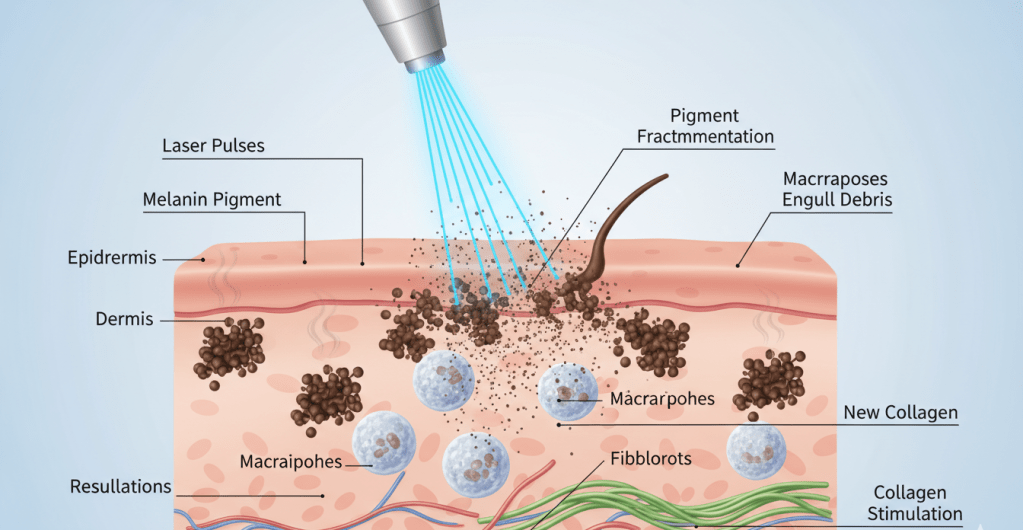
Q-switched toning is a laser treatment that targets extra pigment in the skin. The device sends very short bursts of energy into deeper layers. As a result, the pigment breaks into tiny pieces. Your body then removes these pieces naturally. Over time, your skin looks clearer and more even. Unlike harsh treatments, this method focuses on accuracy. Therefore, the nearby skin stays safe. In addition, most Indian skin types handle the treatment well.
What Is Q-Switched Laser Toning Used For?
Doctors use this treatment mainly for uneven tone and stubborn pigmentation. In many cases, it helps when creams do not work.It commonly treats:
- Melasma
- Sun spots
- Freckles
- Acne marks
- Uneven skin tone
- Tanning damage
- Post-inflammatory pigmentation issue
Besides fixing spots, many people choose it for overall skin brightening.
Why Is Q-Switched Toning Needed?
Pigment often sits deep in the skin. Because of this, creams may not reach the real cause. Q-switched toning targets the pigment directly.
For example, some people see their pigmentation return again and again. Others notice dull skin even with good skincare. In such cases, this treatment can help. Another benefit is gradual improvement. As a result, the skin looks naturally brighter, not suddenly changed.
Who Is the Ideal Candidate?
Many people can benefit from Q-switched toning. It works best for those with mild to moderate pigmentation issue. It also helps people with melasma, acne marks, or uneven tone.
Most Indian skin types respond safely to this laser. However, a few people should be careful. Anyone with active infection or open wounds should wait. Pregnant women should speak with a doctor first. Therefore, always start with a proper skin consultation.
Difference Between Q-Switched Toning and Regular Laser Toning
Many people think both treatments are the same. However, they work differently.
Q-switched toning uses ultra-short nanosecond pulses. Because of this speed, the laser targets pigment with low heat. As a result, the treatment feels gentle. It also suits darker skin tones well. Regular laser toning usually uses longer pulses. This method creates more heat in the skin. Sometimes results appear faster. However, the risk of irritation can be higher.
In simple words, Q-switched toning focuses on safe and gradual pigment removal. Regular laser toning can be faster but more aggressive.
Treatment Procedure: What to Expect
A typical session is quick and simple. First, the therapist cleans your skin. Next, you wear protective eyewear. Then the specialist moves the laser gently over the area.
You may feel mild warmth or light tingling. Most people stay comfortable during the session. Usually, the treatment takes 20 to 30 minutes. After that, soothing gel and sunscreen are applied. Therefore, you can return to daily work almost immediately.
Q-Switched Toning Downtime Side Effects
Q-switched toning downtime side effects are usually mild. Right after the session, slight redness may appear. Some people also feel mild warmth or dryness.
However, these effects usually settle within a few hours. In rare cases, temporary darkening or irritation can occur. Serious problems are uncommon when trained experts perform the treatment. Therefore, always choose a qualified clinic.
How Many Sessions Are Needed?
Q-switched toning works slowly and steadily. Because of this, multiple sessions give the best results.
Mild pigmentation may improve in four to six sessions. Meanwhile, melasma often needs six to ten sessions. Many people notice visible change after the third session. Most importantly, staying consistent improves long-term results.
Aftercare Tips for Best Results
Good aftercare protects your skin. Always use broad-spectrum sunscreen daily. Also, avoid strong sun exposure for a few days. Use gentle skincare products. Avoid harsh scrubs for a short time. Keep your skin well hydrated.
Finally, follow your provider’s session plan.
Key Benefits of Q-Switched Toning
Q-switched toning is popular for good reasons. It suits Indian skin well. The treatment needs minimal downtime. Results appear gradually and look natural.
Sessions are quick and comfortable. Most importantly, the laser targets deep pigmentation safely.
Final Thoughts
If a stubborn pigmentation issue worries you, Q-switched toning can help. It targets melanin precisely and improves skin clarity with little downtime.
However, proper diagnosis still matters. For safe and personalized care, consult experienced professionals such as the team at Maynee Cosmetology Clinic, OMR.
FAQ
1. Is Q-Switched toning safe for Indian skin tones?
Yes, low-fluence 1064nm Q-Switched Nd:YAG is gold standard for Fitzpatrick III-VI skin, minimizing PIH risk with gentle melanin targeting.
2. How many sessions of Q-Switched toning for melasma?
6-12 sessions every 2-4 weeks; 50-75% improvement in epidermal melasma, combined with topicals for best results.
3. Does Q-Switched toning cause PIH or darkening?
Rare (5-10%) with proper settings; stricter sun protection prevents rebound—safer than ablative lasers for brown skin.
4. Q-Switched toning vs Pico laser, which is better for pigmentation?
Q-Switched excels for epidermal melasma (cheaper); Pico superior for mixed/dermal with faster clearance, lower heat.
5. What is the cost of Q-Switched toning in Chennai?
₹4,000-8,000 per session; packages ₹25-40k for 6-8 sessions at clinics near OMR.
6. How long do Q-Switched toning results last?
6-12 months with SPF/tranexamic acid maintenance; melasma recurs without prevention.