
Does your hair feel dry lately? Does it feel rough, stiff, and brittle? You might blame your new shampoo or the weather for this change. But the real enemy is actually the water from your showerhead. In fact, hard water is a massive problem across Indian cities today. Because of this, heavy metals lock onto your hair strands every single day. Regular washing cannot remove these stubborn minerals. So, your hair becomes weak, dull, and prone to breakage.
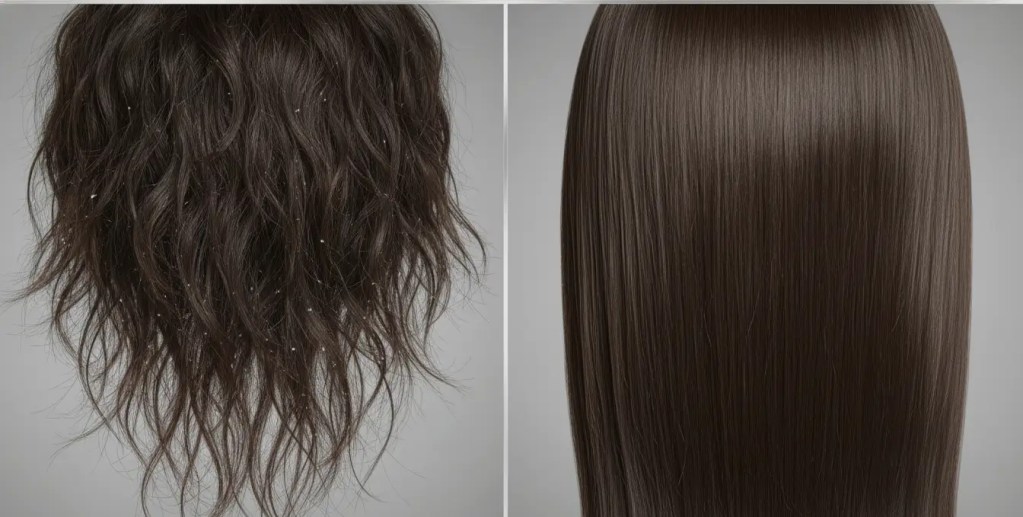
Fortunately, modern cosmetology has a great solution for this exact issue. It is called a Chelating Treatment. Therefore, if your deep conditioners and premium hair oils have stopped working, this guide is for you. In this comprehensive post, we will explain everything about hair chelation. We will show you how it works, why it beats normal shampoos, and how it restores your hair’s natural bounce.
What is a Chelating Treatment?
What exactly is a chelating treatment in the field of cosmetology? To put it simply, it is an intensive detox process for your hair. It removes deep mineral deposits, heavy metals, and chlorine from your strands. Regular shampoos only clean surface dust and oil. But a chelating process goes much deeper into the hair shaft.
The word chelation comes from a classic Greek term. Specifically, it means a crab’s claw. Similarly, the ingredients in this treatment act like tiny chemical claws. First, they find the heavy metals stuck to your hair fibers. Next, they grab these minerals tightly. Finally, they turn them into a water-soluble form. This allows them to rinse away down the drain easily. As a result, your hair becomes completely pure and clean again.
The Hard Water Crisis: How It Ruins Indian Hair
Hard water is a huge threat to hair health across India. Most homes rely on groundwater, borewells, or water tankers. Unfortunately, this water carries a very high mineral content. It is full of calcium, magnesium, iron, copper, and manganese. Every single wash builds up a hidden rock layer on your scalp and hair.
Consequently, this mineral coating causes major damage over time:
- Total Moisture Block: Because the mineral layer forms a tight wall, water and creams cannot enter the hair.
- Extreme Stiffness: Subsequently, your hair loses its elasticity and snaps with a simple brush.
- Color Fading: In addition, copper oxides quickly, which turns beautiful hair dye brassy or green.
- Scalp Problems: Meanwhile, the calcium crust clogs your hair follicles, leading to itching and flakes.
The Simple Science Behind Chelation
Let us look at how this advanced treatment works on a molecular level. A professional chelator uses special active assets. For instance, it uses compounds like EDTA or specialized citric acids. These molecules carry a strong negative charge. Meanwhile, the mineral ions on your hair carry a positive charge.

Opposites attract, so these elements lock together instantly. The chelating agent surrounds the calcium or iron. Then, it breaks the bond between the metal and your hair protein. Once that bond breaks, the metals lift off the hair easily. Thus, a clean water rinse removes the entire complex. Your hair keratin becomes free, fresh, and light.
Signs Your Hair Needs an Urgent Chelating Session
How do you know if you have product buildup or true mineral damage? To illustrate, look out for these common warning signs:
- The Sticky Feeling: Even after a long wash, your scalp feels heavy and coated.
- No Volume: Additionally, your curls or straight hair look completely flat and lifeless.
- Dead Hair Products: For example, your expensive serums and hair masks show zero positive results.
- Instant Frizz: Because rough minerals force your hair cuticles open, humidity ruins your style instantly.
- High Breakage: Consequently, you see tiny, snapped hair pieces on your clothes and floor daily.
Chelating Shampoo vs. Clarifying Shampoo: The Big Difference

Many people think that clarifying shampoos and chelating treatments are the same thing. However, this is a mistake. To clarify, they serve two entirely different purposes.
| Feature | Clarifying Shampoo | Chelating Treatment |
| Main Target | Styling gels, oils, and silicones. | Calcium, iron, copper, and chlorine. |
| Depth | Cleans the outside of the hair. | Penetrates deep into the inner layers. |
| Key Ingredients | Strong surface surfactants. | Active tracking agents like EDTA. |
| Frequency | You can use it once a week. | Use it only once or twice a month. |
| Best For | People who use heavy hair sprays. | People who live in hard water areas. |
So, a clarifying shampoo is fine for normal product buildup. But it cannot dissolve hard water minerals. You absolutely need a true chelator to fix metal issues.
The Step-by-Step Salon Experience
While mild home options exist, a salon session gives the safest results. Cosmetology experts follow a precise, multi-step process to save your hair:
1. The Surface Cleanse
First, the stylist uses a mild, balanced shampoo. This step washes away daily dirt and oil. It prepares the hair cuticles for the detox.
2. Full Application
Next, they divide your hair into small sections. They apply the professional chelating mix from root to tip. They ensure every strand gets enough product.
3. Heat Processing
Then, the formula sits on your hair for fifteen to thirty minutes. They often use a warm hair steamer. Because of the gentle heat, the formula works much faster. It pulls out the deepest metal bonds easily.
4. The Deep Rinse
Afterwards, they flush your hair with purified, soft water. As a result, all the trapped minerals wash down the drain.
5. Acidic Balancing
Finally, they apply a rich, acidic moisture mask. Chelation can change your hair’s natural balance. So, this mask seals the cuticles flat, locking in intense shine and softness.
Why Geography Matters for Your Hair Care
Your local environment plays a massive role in your hair health. For example, water quality changes from town to town. Coastal areas and industrial zones have very harsh groundwater. Therefore, standard hair care routines often fail in these places.
This is very true for historic cities in Tamil Nadu. Residents often face severe hair stiffness due to local water profiles. Fortunately, advanced hair health hubs can help you solve this issue. For instance, Maynee Cosmetology Clinic, Madurai offers excellent custom detox options. Their experts analyze your specific local water damage first. Then, they create a targeted recovery plan for your strands. They balance mineral removal with deep keratin care. Consequently, your hair gets its life back without any harsh side effects.
How to Maintain Soft Hair at Home
Once you remove the heavy mineral weight, you must protect your results. To achieve this, follow these simple tips at home:
- Use Pure Water: Whenever you wash, use RO water for your very last rinse. Clean water stops new minerals from sticking.
- Get a Shower Filter: Alternatively, install a multi-stage filter on your tap. This device catches chlorine and large sediments early.
- Focus on Moisture: Because deep cleanses open the hair, you must add hydration back. Use a light leave-in conditioner every week.
Conclusion: Reclaim Your Hair Today
In conclusion, dry hair does not mean you need harsh chemical styling. Instead, you might just need to clear out the mineral blocks. A chelating treatment frees your hair from hard water damage. In the end, your locks will feel light, soft, and healthy. Your natural hair texture will return beautifully. So, stop letting hard water ruin your style, and try a scientific detox today.
Frequently Asked Questions
To clarify, hard water does not cause permanent root-level balding. Instead, the heavy minerals form a tight crust over the hair shaft. Because of this, your strands lose their natural elasticity and snap easily mid-shaft. Fortunately, removing this mineral buildup fixes the structural weakness completely.
No, you should never use these intensive formulas daily. Because active chelating agents are highly potent, everyday use will strip away your scalp’s essential oils. Consequently, your hair will become severely dry and brittle. Therefore, professionals recommend using a true chelator only once or twice a month.
Yes, it is safe, but you must use it with caution. In fact, chelation removes the oxidized metals that turn salon hair dye brassy or green. However, powerful formulas can occasionally fade fresh hair color. Thus, you should always follow the session with a color-safe, deeply hydrating mask.
No, a shower filter alone cannot fix existing hair damage. Specifically, shower filters condition the water to stop new deposits from sticking to your skin. Meanwhile, they cannot strip away the old mineral layers already locked onto your hair. Therefore, combining a filter with a clinical hair detox yields the best results.
You will feel a massive difference right after your very first session. For example, your hair will immediately feel lighter, softer, and much cleaner. Furthermore, severe hard water damage typically resolves fully within two to four weeks of a proper, structured routine.
Yes, you can absolutely do it. Actually, hard water minerals frequently clog up your hair follicles and trigger intense scalp irritation. By clearing this mineral crust away, chelation helps soothe the skin surface. However, if you have open sores or active eczema, consult a trichologist before trying any new treatment.
To put it simply, an ACV rinse is just a mild, surface-level acidic cleanser. While it adds a nice temporary shine to your cuticles, it lacks the molecular strength to break heavy calcium or iron bonds. Therefore, you still require active chelating agents like EDTA for deep mineral removal.
Yes, it can weaken your smoothing results if you apply it too soon. Because chelators lift the hair cuticle to extract deep metals, they can strip away artificial protein coatings. As a result, you should wait at least two to three weeks after any chemical smoothing service before booking a chelation session.
Look closely at how your hair reacts to regular washing. If your hair feels sticky or greasy from styling gels, a normal clarifying shampoo will clean it easily. Alternatively, if your hair feels rough like straw even after you apply a deep conditioning mask, you are dealing with mineral buildup.
Generally, professional clinic sessions are very cost-effective because you only need them periodically. Moreover, investing in a targeted clinic session prevents you from wasting money on expensive hair products that cannot penetrate a mineral barrier anyway.