

Your Own Blood.
Your Hair, Growing Back.
No Surgery. No Downtime.
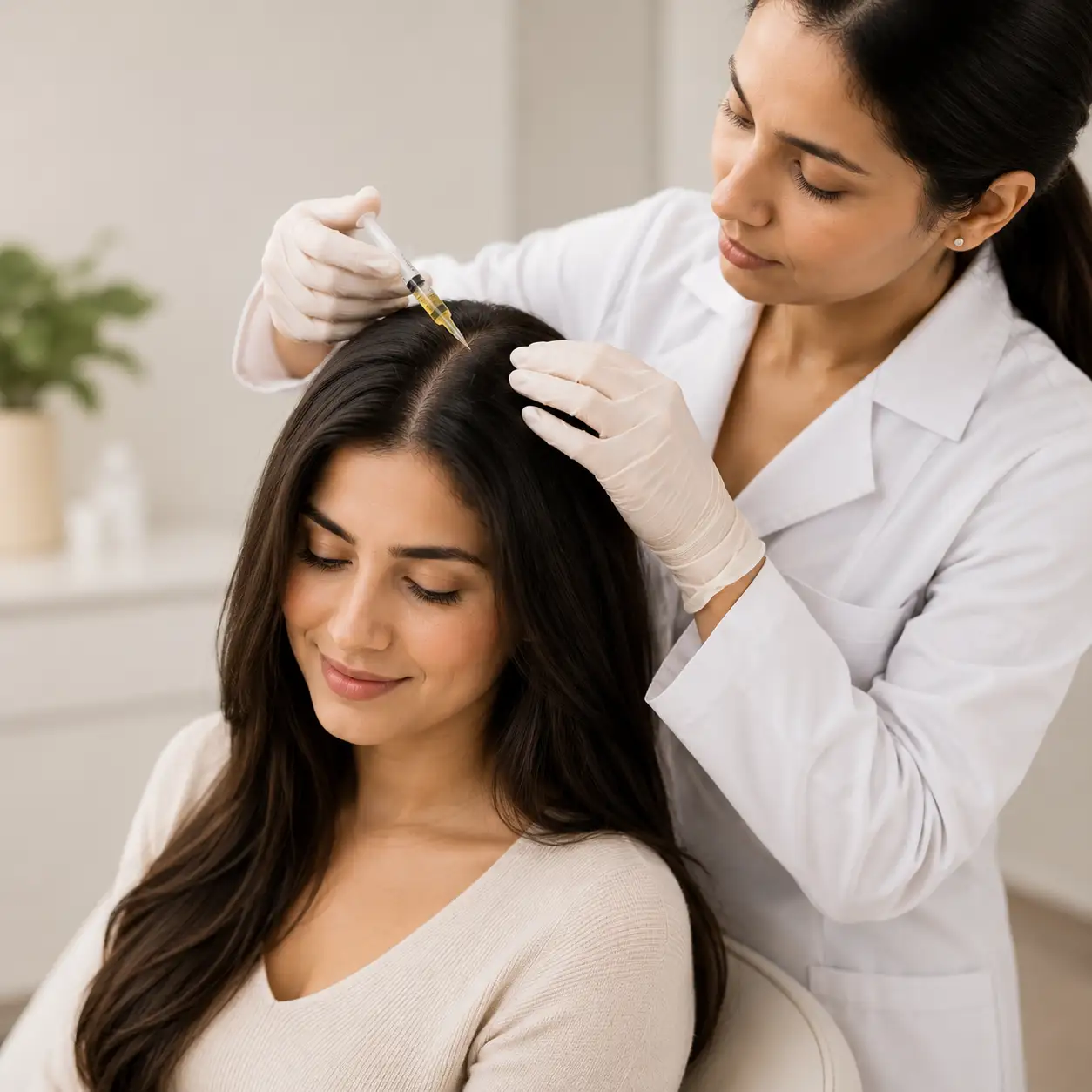
PRP uses the growth factors already in your blood to wake up dormant follicles and slow hair loss. At Maynee, every session is trichoscopy-guided and dermatologist-performed. Because of this, treatment is precise — not guesswork. Zero downtime. Transparent pricing.
Your Blood Already Has
What Your Follicles Need.
PRP stands for Platelet-Rich Plasma. It is a clinically proven, non-surgical hair loss treatment. And it uses only your own blood — no synthetic chemicals, no foreign substances.
Here is how it works. A small blood sample is drawn from your arm. It is then spun in a centrifuge, which separates and concentrates the platelets. These platelets contain powerful growth factors — proteins that your body uses to repair tissue and stimulate growth. The resulting plasma is injected directly into your scalp. Because the growth factors are delivered right to the follicle, they can reactivate dormant follicles, extend the growth phase of each hair, and slow ongoing hair loss.
PRP has over 30 years of clinical research behind it. It is used in dermatology, orthopaedics, and sports medicine worldwide. For hair loss, studies confirm a meaningful improvement in hair density for 70–80% of patients. At Maynee, it is combined with a trichoscopy assessment so your dermatologist knows exactly where and how to deliver treatment for your scalp.
Growth Factors in PRP — What They Do
Six Ways PRP Hair Treatment
Works on Your Scalp
PRP does more than slow hair fall. It targets follicles directly so hair grows back thicker, healthier, and more resilient. Here is what each session is doing underneath the surface.
Reactivates Dormant Follicles
Hair follicles do not always die — they often become dormant. PRP's growth factors signal these follicles to restart their growth cycle. As a result, patients often see regrowth in areas that had been thinning for years — provided follicles are still present. This is why starting treatment early matters.
Reduces Daily Shedding
Most patients notice a clear reduction in daily hair fall within 4–6 weeks of starting PRP. This is because growth factors extend the anagen (growth) phase of each follicle. So hairs stay in growth longer, instead of entering the shedding phase early. Therefore, less hair falls out overall.
Improves Scalp Circulation
VEGF — a key growth factor in PRP — triggers the formation of new blood vessels around follicles. Because of this, follicles receive more oxygen and nutrients with every session. Consequently, the scalp environment becomes more supportive of healthy, sustained hair growth over time.
Increases Hair Strand Thickness
Miniaturised hairs — the thin, short strands common in early alopecia — grow back to full calibre with PRP treatment. Furthermore, the overall texture of each strand improves. So the visible result is not just more hair, but denser, fuller hair that feels noticeably healthier.
Reduces Scalp Inflammation
Chronic scalp inflammation is a hidden driver of hair loss — especially in Chennai's heat and humidity. PRP reduces inflammatory activity in the scalp's microenvironment. As a result, follicles face less ongoing damage, which slows the miniaturisation process that leads to permanent loss.
Strengthens Existing Hair
PRP does not only help dormant follicles — it also strengthens the hair that is already growing. Hair strands become more resistant to breakage. In addition, the hair shaft itself becomes denser over the course of treatment, so overall volume improves significantly even before new regrowth appears.
PRP Hair Treatment at Maynee —
Step by Step
Every PRP session at Maynee is guided by trichoscopy. So your dermatologist knows exactly which zones to treat — and the results are tracked with data at every visit.
Trichoscopy Assessment & PRP Candidacy Check
Your first visit at Maynee is a full scalp consultation. A certified dermatologist reviews your shedding pattern, hair loss history, and scalp condition. Trichoscopy then maps your follicle health at magnification — confirming whether active follicles are present in the thinning zones. This step is essential. It ensures PRP is the right treatment for your case before any session begins. You also receive a clear session plan and transparent cost breakdown. There is no obligation to proceed on the same day.
Blood Draw & PRP Preparation
A small blood sample — typically 10–20 ml — is drawn from your arm, similar to a standard blood test. The sample is then placed in a calibrated centrifuge, which spins at high speed to separate the platelets from red blood cells and other components. This process takes 10–15 minutes and produces a concentrated platelet-rich plasma. The platelet concentration in PRP is typically 4–5 times higher than in normal blood. Because of this concentration, the growth factor delivery to your scalp is significantly more potent than your body's natural level.
Scalp Preparation & Topical Anaesthetic
While your PRP is being prepared, your scalp is cleaned and a topical anaesthetic cream is applied to the treatment zones. This sits for 20 minutes before injections begin. So most patients feel only mild pressure — not pain. The treatment zones are then marked using your trichoscopy map. This means injections target exactly the right areas, at the correct depth. Not a generalised pattern across the whole scalp.
PRP Injection — Growth Factors Into the Scalp
The concentrated PRP is then injected into the scalp using ultra-fine needles. Your dermatologist injects 0.05–0.1 ml per zone across the mapped thinning areas. Because of the topical anaesthetic, most patients describe only a mild, brief sting. The full injection phase takes 20–30 minutes. Your dermatologist performs every injection — not a technician. Depth, zone coverage, and volume are calibrated for your specific scalp at every session. The full session, from blood draw to finish, takes approximately 60–75 minutes.
Post-Session Care — Zero Downtime
After your PRP session, you can return to work immediately. The post-care instructions are simple. Avoid washing your hair for 12 hours. Avoid direct sun on the scalp for 24 hours. Do not apply hair products or oils on the day of treatment. Avoid vigorous exercise on the same day. Mild redness or tenderness at injection sites is completely normal — it resolves within 24–48 hours. You may also notice a brief shedding phase around week 2. This is normal and expected as follicles reset before entering a new growth cycle.
Follow-Up Sessions & Trichoscopy Reviews
Follow-up sessions are scheduled every 4–6 weeks. Most patients complete 3–4 sessions in the initial course. At each visit, trichoscopy is repeated so your dermatologist tracks progress with follicle-level data. Results are therefore visible before they are obvious in the mirror. After the initial course, a maintenance session every 4–6 months sustains results. If your response shows that combining PRP with GFC would produce better outcomes, your dermatologist will advise this clearly — with no pressure.
The Benefits of PRP Hair Treatment
at Maynee Chennai
PRP at Maynee is not a package. It is a personalised plan — guided by trichoscopy, performed by a dermatologist, and tracked with data at every visit.
100% Autologous — Zero Allergy Risk
PRP uses only your own blood. Therefore, there is no risk of allergic reaction and no foreign substances enter your body. It is one of the safest non-surgical hair loss treatments available anywhere.
Clinically Proven · 30+ Years of Research
PRP for hair loss has over three decades of clinical evidence. A 2025 meta-analysis of 43 randomised studies confirmed meaningful improvement in hair density in the majority of patients. It is not experimental — it is established.
Zero Downtime
You can return to work immediately after your session. The only restrictions are avoiding hair washing for 12 hours and direct sun for 24 hours. So PRP fits into your schedule without interruption.
Dermatologist-Performed Always
At Maynee, a certified dermatologist performs every PRP session — not a technician. Injection depth, zone selection, and platelet volume are precisely calibrated for your scalp at each visit. This matters because results depend on accuracy.
Trichoscopy Progress Tracking
Trichoscopy is repeated at every follow-up visit. This means progress is tracked at follicle level — not by guessing from the mirror. You can see results building before they are visible to anyone else.
Transparent Pricing · No Hidden Charges
Your cost breakdown is given after trichoscopy — based on your actual session plan. You know what you are paying for, and why, before you commit. No vague packages and no pressure on assessment day.
Effective for Men & Women
PRP works for male pattern baldness, female pattern hair loss, post-partum shedding, PCOS-related thinning, and stress-related hair fall. Because treatment is personalised, it suits a wide range of hair loss types and stages.
Designed for Chennai's Conditions
Hard water, intense UV, humidity, and pollution all affect the scalp in Chennai. PRP protocols at Maynee account for these local factors specifically — so post-session care and scalp preparation are adapted for this climate, not generic guidelines.
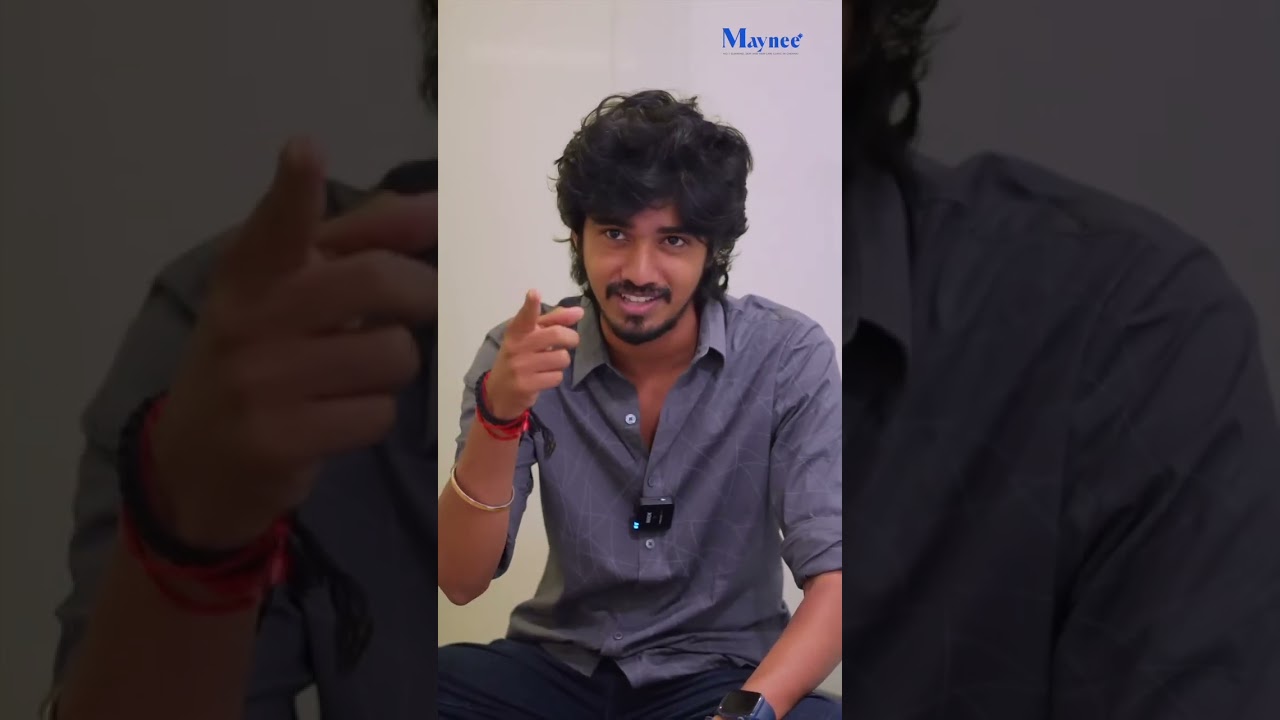
PRP Hair Treatment
Explained by Our Dermatologist
Watch our certified dermatologist explain what PRP is, how it works on the scalp, how many sessions you need, and when you can expect to see real results.
Is PRP Hair Treatment
Right for You?
PRP works best when follicles are still active. A trichoscopy at Maynee confirms this clearly — so you know exactly what to expect before committing to a session plan.
Ideal Candidates for PRP
-
Men with Early to Mid-Stage Pattern Baldness
Receding hairline or thinning crown at Norwood Stage I–III. Follicles are still active. PRP is most effective at this stage — because follicles can still respond to growth factor stimulation. Starting early produces the best outcomes.
-
Women with Diffuse Thinning or Female Pattern Hair Loss
Women respond very well to PRP. Diffuse thinning, widening parting, frontal recession, and PCOS-related hair loss are all effectively treated. Furthermore, post-partum shedding responds rapidly — usually stabilising within 2–3 sessions.
-
Patients with Stress or Nutritional Hair Loss
Telogen effluvium from illness, crash diets, or emotional stress is highly responsive to PRP. Similarly, nutritional deficiency-related shedding is treated alongside dietary correction for the fastest recovery.
-
Post-Hair Transplant Recovery
PRP accelerates graft growth after a hair transplant. It is therefore recommended as a post-transplant protocol at Maynee. Sessions in the weeks following surgery improve graft survival and speed up early density.
-
Anyone Who Wants to Slow Loss Before It Worsens
The more follicles that are active, the more PRP can do. Waiting does not improve the outcome — it reduces it. A trichoscopy assessment at Maynee takes 45 minutes and shows exactly where you stand.
Discuss with Your Dermatologist First If You Have:
PRP is safe for most patients. However, a careful review is needed before starting if you have:
- Active scalp infections or open wounds — these must be fully resolved before any injection session.
- Blood clotting disorders or anticoagulant medications — your dermatologist will review safety individually.
- Completely inactive follicles in the treatment zone — when follicles are permanently dormant, PRP cannot reactivate them. A hair transplant consultation is the more appropriate path.
- Platelet dysfunction syndromes or very low platelet counts — the PRP preparation may not reach therapeutic concentration.
- Pregnancy — injectable sessions are generally deferred until after delivery. Post-partum treatment can then be planned promptly.
- Active fever or illness on the day of your session — rescheduling ensures optimal sample quality for preparation.
Not Sure If PRP Is Right for You?
A trichoscopy assessment confirms your follicle status and identifies which treatment — PRP, GFC, or a combination — will give the best result for your case. You get a clear answer before you spend anything.
Book Your Assessment
PRP Hair Treatment
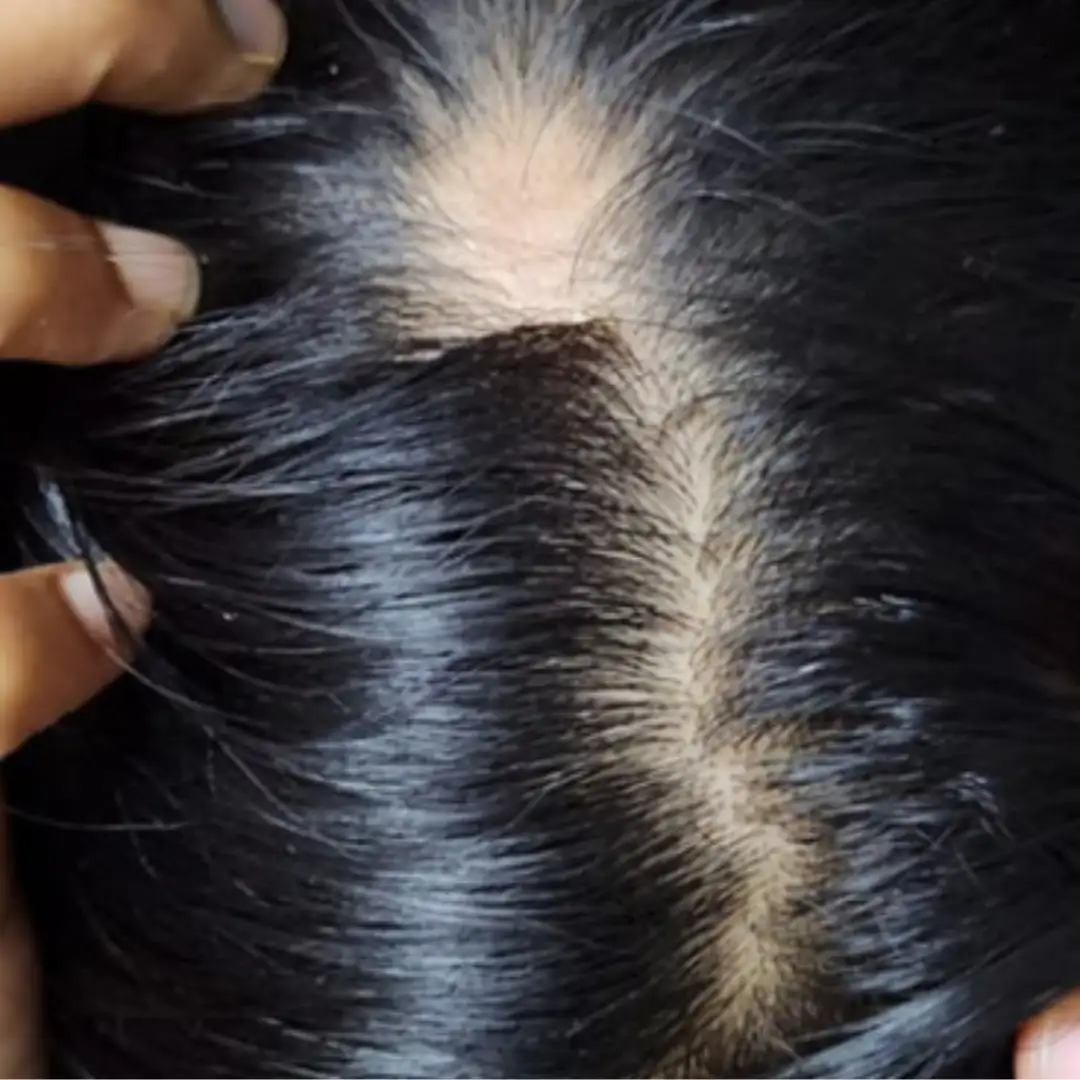
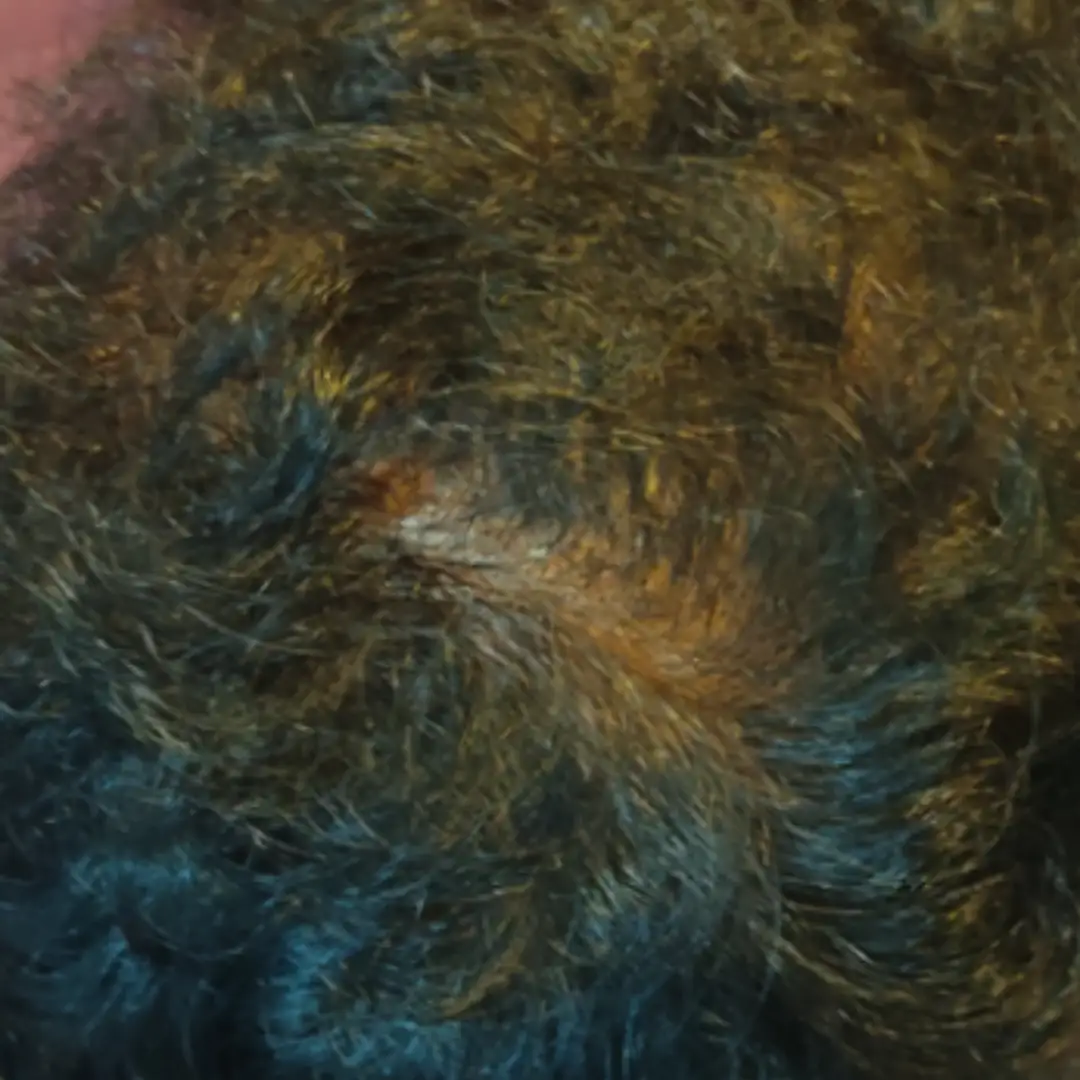
Before & After
Real results from patients treated at Maynee. Trichoscopy photography — no filters, no editing.
 Before
 After
After
 Before
 After
After
 Before
 After
After
Individual results vary. Clinical trichoscopy photography shown with full patient consent. Results depend on hair loss type, stage, number of sessions, and post-treatment care. Earlier treatment consistently produces better outcomes.
Your PRP Session Is Performed by
a Certified Dermatologist
At Maynee, a certified dermatologist performs every PRP injection — not a technician. Your doctor is present for every step, at every visit.
 Lead Dermatologist & PRP Specialist
Specialist Name
Add your specialist's biography here. Include qualifications (MBBS, MD Dermatology), clinical experience in PRP hair treatment, number of PRP sessions performed, trichoscopy expertise, and professional memberships such as IADVL. 2–3 sentences recommended.
Real Results from PRP
at Maynee Chennai
Hear from patients who had PRP hair treatment at Maynee — in their own words.
"I had been losing hair for three years. I tried oils, supplements, shampoos — nothing worked. At Maynee, the trichoscopy finally showed me the real cause. After 3 PRP sessions, my shedding dropped noticeably. By month 5, I could see real density coming back on my hairline. I wish I had not waited so long."
"My hair was thinning all over after my PCOS diagnosis. I was very nervous about injections, but the topical anaesthetic made it painless. The trichoscopy at every follow-up helped me actually see my progress with data. By session 4, the results were clearly visible. The team was professional and the whole process was calm and reassuring."
"I had PRP after my hair transplant at Maynee. They recommended it to speed up graft growth, and it worked. New growth started appearing earlier than expected. The combination of the transplant and PRP sessions gave me results faster than I anticipated. I would not skip the PRP sessions if you are doing a transplant here."
PRP Hair Treatment —
Your Questions Answered
Real questions from patients — answered clearly. Covering how PRP works, what to expect, safety, cost, and results.
PRP stands for Platelet-Rich Plasma. It is a non-surgical hair loss treatment that uses your own blood. A small blood sample is drawn and spun in a centrifuge. This concentrates the platelets — which are packed with growth factors. The resulting plasma is then injected directly into your scalp. Because these growth factors are delivered right to the follicle, they stimulate dormant follicles, extend the hair growth phase, and slow ongoing hair loss.
Most patients need 3 to 4 sessions in the initial course. These are spaced 4–6 weeks apart. After the initial course, a maintenance session every 4–6 months sustains the results. However, the exact number depends on your hair loss type, stage, and how your scalp responds. Your dermatologist at Maynee confirms the plan after your trichoscopy assessment — so you know what to expect from the start.
Reduced shedding is usually the first sign — most patients notice this within 4–6 weeks. A visible increase in density then appears between months 3 and 6. Full results from the initial course are typically seen by the 6-month mark. Because trichoscopy is used at every follow-up at Maynee, follicle-level progress is visible before changes are obvious to others. Individual response varies based on hair loss type, age, and scalp health.
Most patients find PRP very manageable. At Maynee, a topical anaesthetic cream is applied to the scalp before injections begin. Because of this, most patients feel only mild pressure — not sharp pain. After the session, mild tenderness or redness at injection sites is normal. This resolves within 24–48 hours. You may also notice a brief shedding phase around week 2. This is completely normal as follicles reset before entering a new growth cycle.
Results from a full PRP course typically last 12–18 months before a maintenance session is needed. Because hair loss is an ongoing condition, maintenance every 4–6 months sustains improvement and continues to slow further loss. PRP is not a permanent cure — however, it is one of the most effective ways to significantly slow hair loss and maintain density over the long term without surgery.
Yes — PRP is highly safe. It uses only your own blood, so there is no risk of allergic reaction and no foreign substances. Side effects are mild and temporary. You may notice slight redness, tenderness, or swelling at injection sites — this usually resolves within 24–48 hours. Mild headache has been reported in a small number of patients. No significant long-term side effects have been found in clinical studies. All sessions at Maynee are performed by certified dermatologists in a sterile setting.
PRP works best for patients with early to mid-stage hair loss where follicles are still active. Ideal candidates include men with pattern baldness at Norwood I–III, women with diffuse thinning or PCOS-related hair fall, and patients with stress or nutritional shedding. It is also effective as a post-transplant protocol. A trichoscopy assessment at Maynee confirms candidacy accurately — so you know before committing to a plan.
Yes. Women respond very well to PRP. Female pattern hair loss, post-partum shedding, PCOS-related thinning, and stress-driven diffuse hair fall are all effectively treated at Maynee with a personalised PRP plan. Because treatment is trichoscopy-guided, it is built around the specific type and stage of loss — regardless of the hormonal trigger behind it. Most women notice reduced shedding within 4–6 weeks of the first session.
PRP hair treatment cost depends on the number of sessions your case requires and the stage of hair loss. No honest clinic can give an accurate price before seeing your scalp. At Maynee, the trichoscopy assessment determines your session plan first. A full, itemised cost breakdown is then provided before you commit to anything. There are no vague packages and no hidden charges. You know exactly what you are paying for before your first session begins.
Both PRP and GFC (Growth Factor Concentrate) use your own blood to deliver growth factors to the scalp. However, GFC goes one step further. It removes red blood cells and platelets, isolating only the pure growth factors. Because of this, GFC delivers a higher concentration of active growth factors with less inflammatory material. Therefore, GFC typically produces a stronger follicular response — especially for moderate to advanced hair loss. Your dermatologist at Maynee recommends the right option based on your trichoscopy findings and hair loss profile.
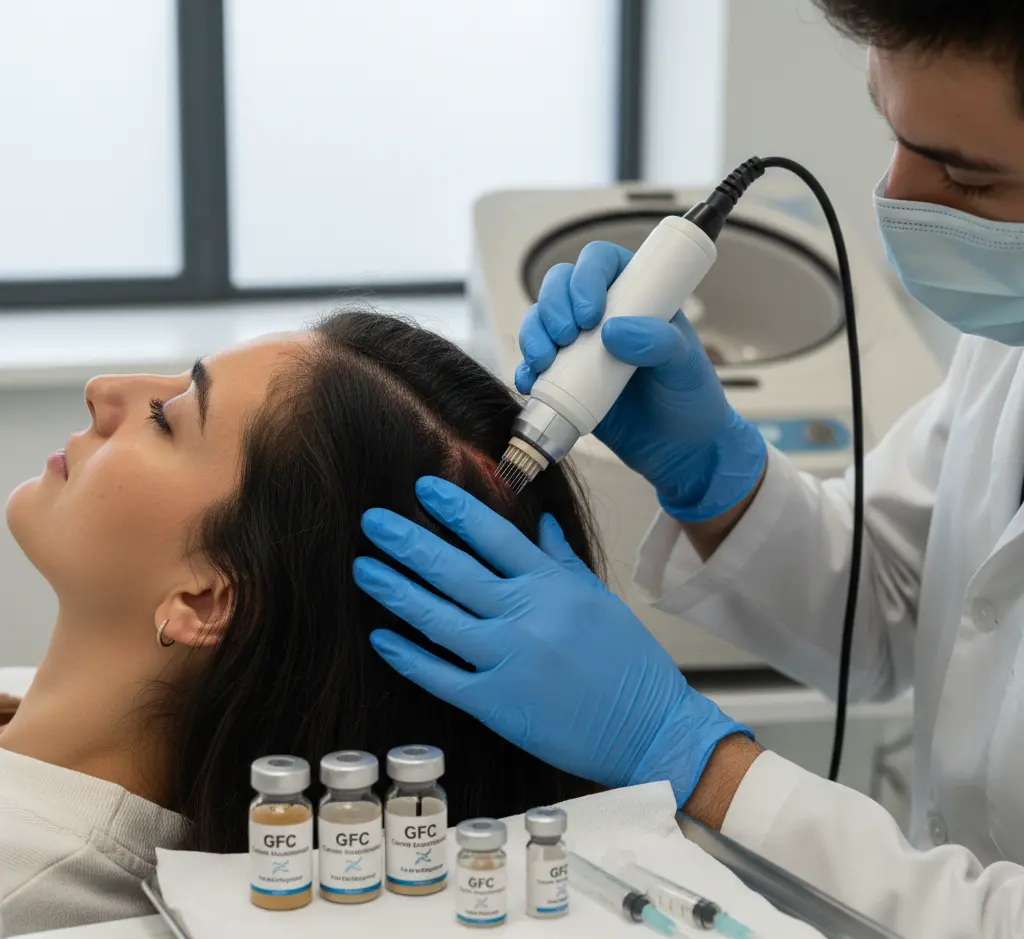
GFC Hair Treatment
GFC isolates pure growth factors from your blood — removing red blood cells for a higher concentration than PRP. It is ideal for moderate to advanced hair loss where a stronger follicular response is needed. Zero downtime.
Learn More →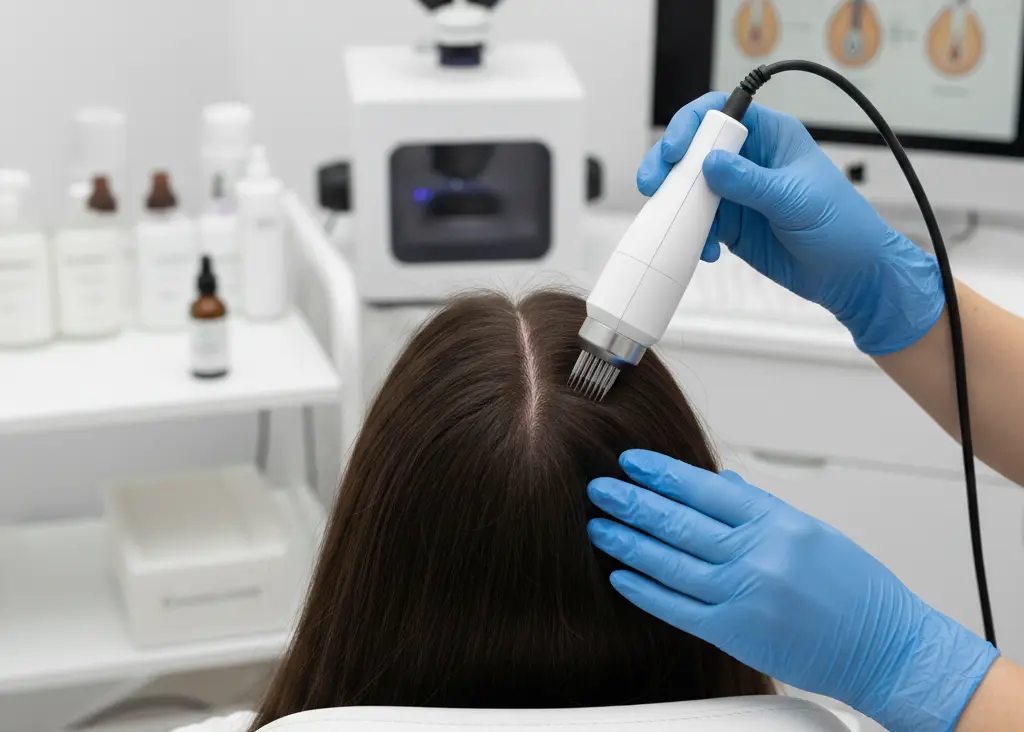
Exosome Hair Therapy
Exosome therapy uses cell-signalling molecules to deeply stimulate follicle regeneration. More potent than PRP for advanced or treatment-resistant hair loss. Often combined with GFC for the strongest non-surgical outcome available at Maynee.
Learn More →
Hair Fall Treatment
A comprehensive, trichoscopy-guided hair fall treatment plan at Maynee — covering all causes, types, and stages of hair loss. PRP is one of the treatment options included, alongside GFC, Exosome Therapy, and medicated scalp protocols.
Learn More →
Ready to Try PRP
and Get Your Hair Back?
Book a trichoscopy assessment at Maynee. Get your PRP session plan, know if you are a candidate, and receive a full cost breakdown — before you commit to anything.