
Many people think glowing skin comes only from products. That idea is common. However, it is not fully true. Internal health plays a big role in how your skin and hair look.
Your body shows signs on the outside. Hormones, gut health, nutrition, sleep, and stress affect skin every day. Because of this, surface creams alone often give limited results.
At the same time, cosmetology helps improve what you see in the mirror. It works faster on visible damage. So the real answer is simple. Internal care builds the base. Cosmetology improves the finish.
Let’s understand how this works.
How Gut Health Affects Acne and Pigmentation

The gut does much more than digest food. It also helps control inflammation and immunity. When gut health stays balanced, the body manages inflammation well. As a result, skin often looks clearer and calmer.
On the other hand, poor gut balance can trigger problems. Inflammation may rise. Because of this, acne can become more frequent. Over time, pigmentation may also become darker.
Another important point is nutrient absorption. When the gut does not absorb vitamins well, the skin may look dull. This can happen even if your skincare routine is good. Therefore, improving gut health supports better skin quality.
Still, internal care alone may not remove acne scars or deep pigmentation. This is where cosmetology helps. Treatments like peels and lasers work on the surface layer. Meanwhile, internal balance helps prevent repeat flare-ups. Many modern centres, including Maynee Cosmetology Clinic, Porur, now explain this inside-out approach.
Hormones and Hair Fall
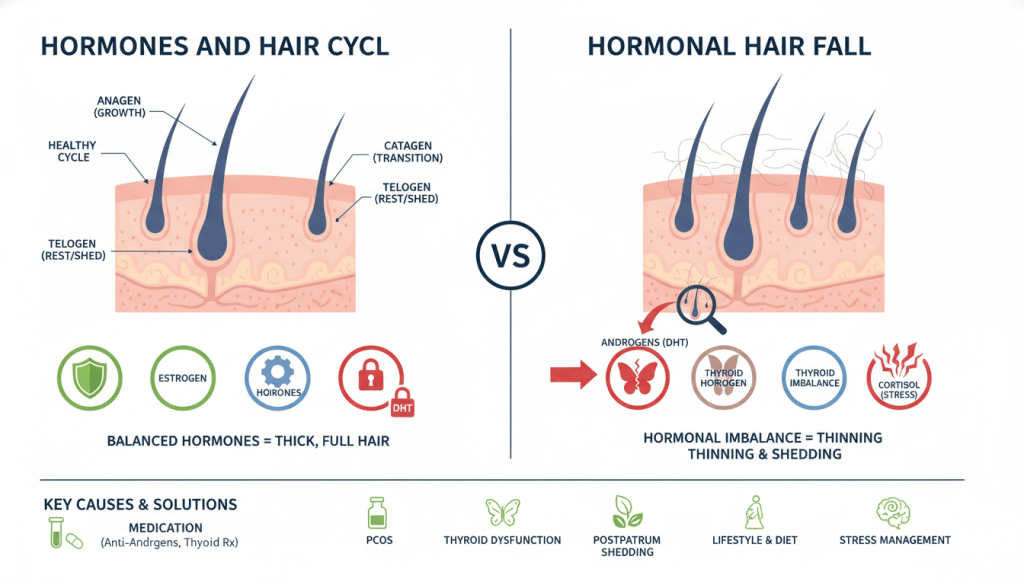
Hair growth depends strongly on hormones. Thyroid levels, insulin balance, and androgens all affect the hair cycle. When hormones shift, hair thinning often begins.
Conditions such as PCOS or thyroid imbalance commonly trigger hair fall. In these cases, oils and shampoos usually give limited improvement. Medical correction of hormones becomes the first step.
Once hormone levels stabilise, cosmetology treatments like PRP or scalp therapy can support regrowth. Because of this, the combined approach often gives better visible density.
Clinics that review both lab reports and scalp health usually see more stable long-term results.
How Stress Affects Skin, Hair, and Ageing

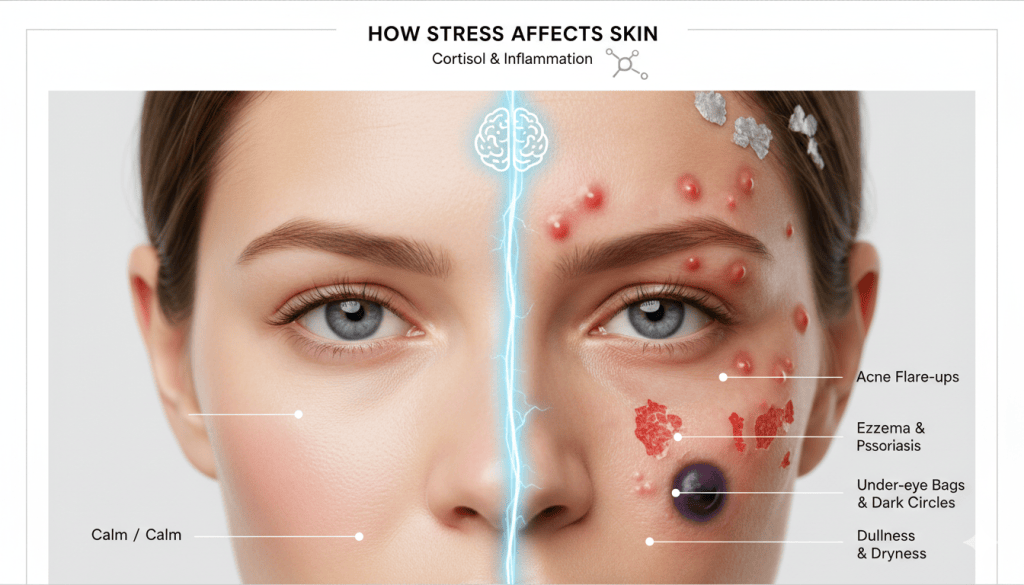
Stress is not only emotional. It is also physical. When stress rises, cortisol levels increase. This change affects many body systems.
- High cortisol can increase oil production. As a result, acne breakouts may become more common. Inflammation may also rise and worsen redness.
- Hair reacts to stress as well. During high stress, more follicles enter the resting phase. A few months later, shedding may become noticeable.
- Stress also affects ageing. Long-term stress can weaken collagen support. Because of this, fine lines and dullness may appear earlier.
Healthy habits such as better sleep and stress control help protect the skin over time. However, existing wrinkles or pigmentation often need extra support. Cosmetology treatments can restore firmness while good habits help maintain results.
Why Topical Creams Alone Don’t Work
Most creams work only on the surface of the skin. They help with hydration and barrier repair. However, they cannot fix deeper internal triggers.
When hormones drive acne, creams cannot rebalance them.
If iron deficiency causes hair fall, serums cannot fix the root cause.
When poor sleep causes dark circles, eye creams give only mild change.
Surface care still has value. Medical-grade skincare supports healing and protection. Yet deeper concerns usually need an inside-out plan.
Because of this, many experts now suggest combining internal correction with targeted cosmetology.
The Role of Nutrition and Sleep
Good nutrition gives the body what it needs to repair. Protein supports collagen. Iron supports hair roots. Vitamins and antioxidants help reduce daily damage.
Poor eating habits often lead to dull skin and weak hair. Even small deficiencies may slow healing.
Sleep is just as important. During deep sleep, the body repairs tissues and balances hormones. Lack of sleep may worsen acne, increase puffiness, and speed up visible ageing.
Even with good habits, food and sleep cannot erase old scars or deep pigmentation. Clinical cosmetology treatments help refine these stubborn concerns.
Where Cosmetology Fits In
Cosmetology does not replace internal health. Instead, it improves visible results.
For example, lasers can reduce pigmentation while internal care lowers triggers. PRP can support hair regrowth after hormones stabilise. Collagen treatments can improve firmness while good nutrition maintains results.
The best outcomes usually come from this combined method. Many aesthetic centres, including Maynee Cosmetology Clinic, Porur, now follow this broader treatment view.
Internal Health vs Cosmetology: The Real Answer
Internal health builds the base. Hormones, gut health, nutrition, sleep, and stress affect skin in clear ways. Stress affects hair. Stress also affects ageing.
Cosmetology improves texture, tone, scars, and collagen more quickly.
So what truly controls your skin?
Internal balance builds the foundation.
Cosmetology enhances visible results.
Long-term care needs both.
In simple terms, lasting skin and hair improvement rarely comes from one method alone. When internal care and cosmetology work together, results usually look healthier, smoother, and more natural over time.
FAQ
Yes. Internal health plays a major role. Hormones, gut health, nutrition, sleep, and stress affect skin and hair quality. When the body is balanced, the skin often looks clearer and hair growth stays stronger.
It can in some people. Poor gut balance may increase inflammation. Because of this, acne flare-ups and dull skin can become more common. However, deep pigmentation usually needs targeted cosmetology treatment.
Hormone correction is very important. It addresses the root cause in many cases. Still, hair regrowth may need support. Treatments like PRP or scalp therapy can help improve visible density after hormones stabilise.
Stress raises cortisol levels. This can increase oil production, trigger breakouts, and speed up collagen loss. Over time, stress may lead to dull skin, hair shedding, and early fine lines.
Most creams work only on the surface. They hydrate and protect the skin barrier. However, they cannot fix internal issues like hormonal imbalance, poor nutrition, or lack of sleep.
Neither works best alone. Internal health builds the foundation. Cosmetology improves visible concerns faster. The best results usually come from combining both approaches.
You may consider cosmetology when there are stubborn concerns. These include deep pigmentation, acne scars, early wrinkles, or persistent hair thinning. Many centres, including Maynee Cosmetology Clinic, Porur, now use an inside-out approach for better long-term results.
Healthy habits improve overall skin quality. However, they usually cannot remove old scars, deep pigmentation, or significant collagen loss. In such cases, clinical cosmetology treatments help refine the results.