
You’re carrying around a two-liter bottle like it’s surgically attached to your hand. You hit your water goal before dinner. You’re in the bathroom every forty-five minutes. And your skin still looks like it hasn’t seen water in a week tight, flaky, nowhere near that glow everyone online seems to have figured out.

Feels a bit like a con, doesn’t it. You did the thing everyone tells you to do, and your face never got the memo.
Here’s the part nobody explains properly: drinking water and hydrating your skin aren’t the same process. When you drink, your kidneys, heart, and liver get first pick. Skin is last in line. Whatever’s left over by the time it filters through your system is not much.
So if chugging water isn’t the fix, what is? And why does your skin keep flaking anyway, especially with the kind of climate we deal with here in India?
What’s Actually Drying Out Your Skin
Dry skin almost always comes down to one of two things: a damaged skin barrier, or something in your environment quietly pulling moisture out of you.
Your skin barrier has cracks in it
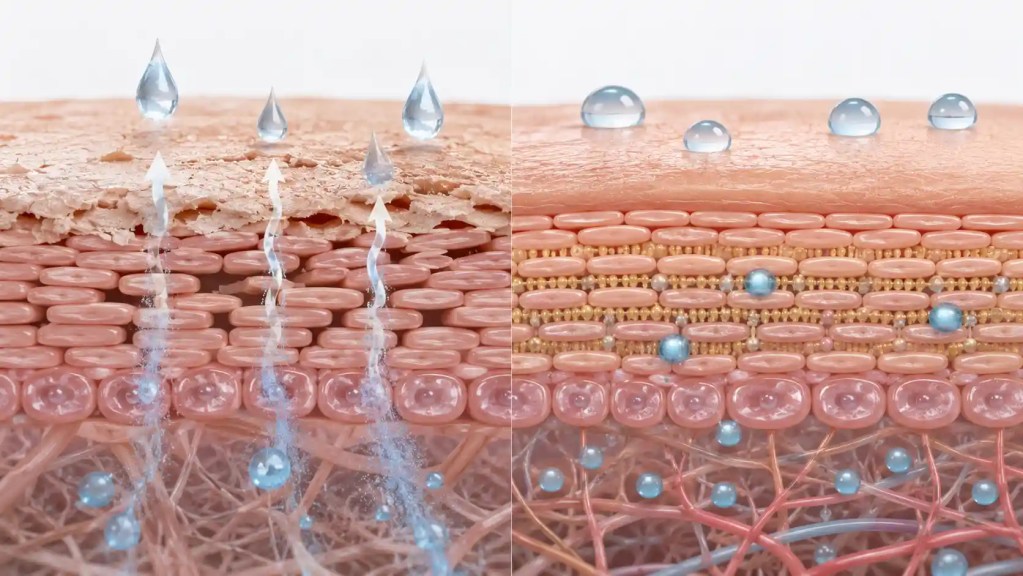
Picture your skin barrier as a brick wall. The skin cells are the bricks. Lipids ceramides, cholesterol, fatty acid are the mortar holding it together. A healthy barrier keeps water in and irritants out. When the mortar cracks, water just evaporates straight through, a process known as transepidermal water loss. You could drink a river and it wouldn’t matter, because the bucket has holes in it.
Madurai’s hard water isn’t helping
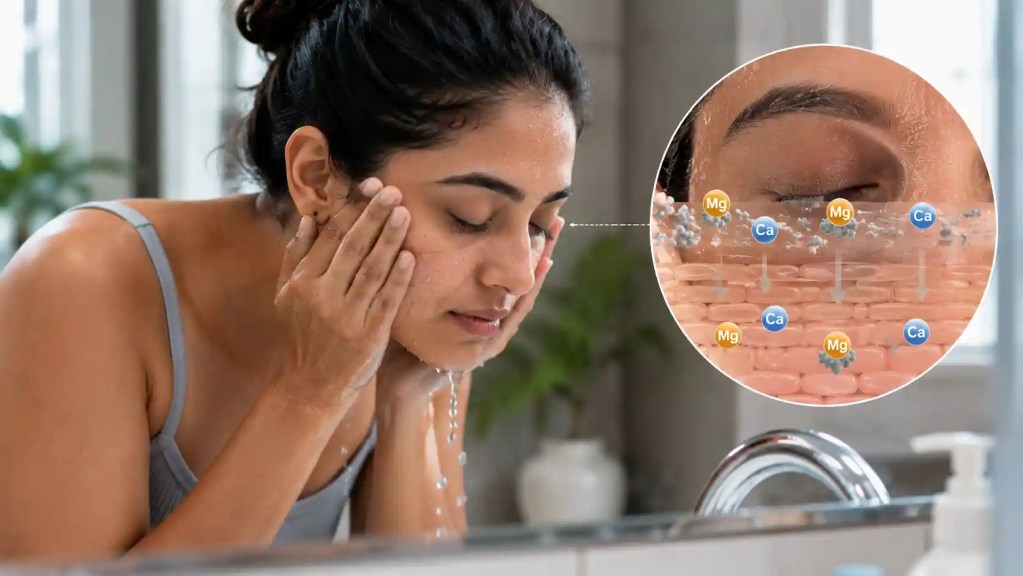
If you live anywhere around Madurai, you already know this one. The groundwater here is loaded with calcium and magnesium. Wash your face with it daily and those minerals leave a residue that acts almost like a harsh soap stripping natural oils, throwing off your skin’s pH. Do that for months and you end up with chronic dryness and random breakouts, no matter how much water you’re drinking.
The AC is quietly working against you
Nobody’s getting through an Indian summer without air conditioning, fair enough. But AC units cool a room by pulling moisture out of the air, and once the air is dry enough, it starts pulling moisture out of your skin too. Eight hours in an AC office followed by an AC bedroom at night means your skin spends most of its day in something close to a dehydrator.
You might be over-scrubbing it
Sometimes the damage is self-inflicted. Harsh scrubs and foaming cleansers that leave your face feeling “squeaky clean” aren’t doing you a favor that squeak is your skin’s oil barrier gone. If your face feels tight right after washing, that’s not a sign it’s clean. That’s a sign it’s stripped.
Dry Skin and Dehydrated Skin Are Not the Same Thing
People use these words interchangeably, but they describe two different problems.
Dry skin is a skin type. It doesn’t produce enough oil on its own, and it’s usually dry everywhere, not just on your face.
Dehydrated skin is a condition. It’s a lack of water, and it can hit anyone, including people with oily or acne-prone skin. That’s how you end up with the confusing combination of a shiny T-zone and flaky cheeks at the same time.
If the dryness is severe or your barrier is genuinely compromised, moisturizers you buy off the shelf might just sit on top of your skin and do nothing. That’s usually the point where it’s worth getting an actual assessment rather than guessing your way through another six products. If you’re in Madurai and nothing you’ve tried is working, a consultation at Maynee Skin, Hair & Slimming Clinic can help pin down whether you’re dealing with a barrier problem or an environmental one, which saves you the months of trial and error.
The Actual Fix
None of this gets solved by drinking more water. It gets solved by changing what you put on your skin and how.
Use a gentle, low-pH cleanser
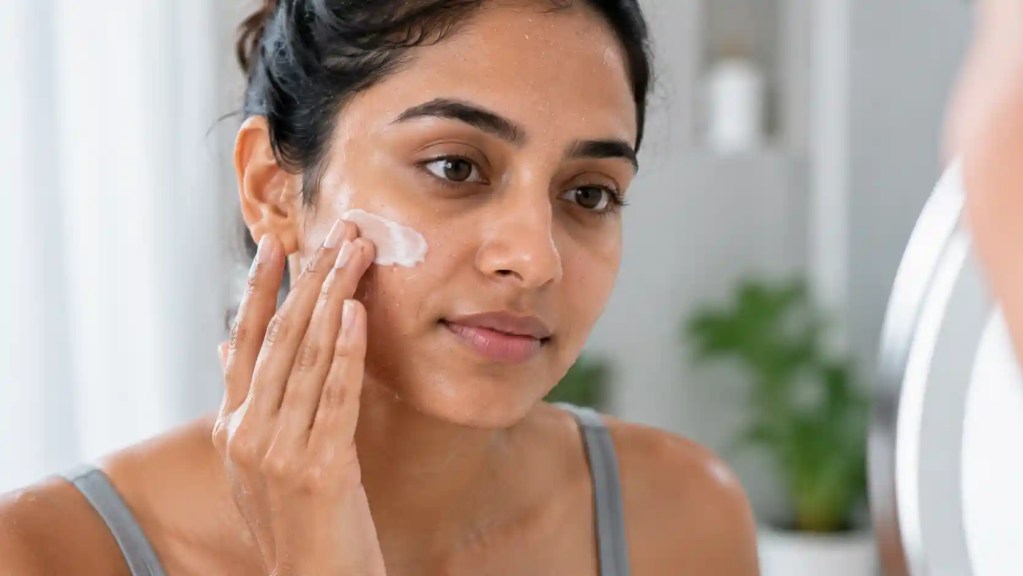
Skip anything that leaves your face feeling squeaky. Look for non-foaming, creamy formulas that clean without taking your natural oils with them. Your skin should feel comfortable after washing, not tight.
Apply your products on damp skin, not dry skin
Right after you wash your face, pat it mostly dry but leave it a little damp, then put on a hydrating serum or toner with hyaluronic acid or glycerin. These pull water into the skin rather than just sitting on the surface but only if there’s some moisture there to pull from.
Seal it in with a proper moisturizer
This is the part people skip. Once the water is in, you need something to keep it there a moisturizer with ceramides, fatty acids, or squalane. These mimic your skin’s own lipids and patch the cracks in the barrier so the water you just added doesn’t evaporate straight back out.
Get a shower filter
If Madurai’s hard water is part of your problem, a basic tap or shower filter fixes a surprising amount of it. They’re cheap, they install in minutes, and they stop those minerals from touching your face every day.
Give your barrier a break
Put the retinol, salicylic acid, and glycolic acid on pause for a week or two. Let the barrier actually heal before you go back to actives. Just hydration and protection until the tightness goes away.
Frequently Asked Questions
Does drinking more water actually improve your skin?
A little, but not the way people think. Water supports your overall health and organ function, and severe dehydration can affect skin too. But your skin is last in line for it, so chugging extra glasses rarely fixes dryness on its own. What actually moves the needle is what you put on your skin, not how much you drink.
What is transepidermal water loss and why does it matter?
It’s the technical term for water evaporating out through your skin instead of staying locked in. It happens when your skin barrier is damaged and can’t hold moisture anymore. It matters because it’s the real reason behind most stubborn dryness no amount of drinking water fixes a leak, you have to patch the barrier itself.
How do I know if my skin barrier is damaged?
Look for tightness after cleansing, flaking that doesn’t go away with moisturizer, redness, stinging when you apply products that never used to sting, and skin that feels rough or thin. If your usual moisturizer suddenly stops working or your skin reacts to things it used to tolerate fine, that’s usually barrier damage talking.
Is hard water actually causing my dry skin?
It can be a big part of it, especially in places like Madurai. Hard water leaves mineral residue on your face that strips natural oils and disrupts your skin’s pH over time. If your skin feels different after washing with filtered water versus tap water, that’s a strong sign hard water is playing a role.
The Bottom Line
Drinking water is still good for you keep the bottle, keep the habit. It just isn’t going to fix your skin on its own. That happens from the outside.
If you’ve already switched up your routine, tried heavier creams, cut back on AC exposure, and your skin is still behaving like sandpaper, it’s not you doing something wrong. Skin is genuinely different from person to person, and local factors like hard water and constant AC exposure make a real difference. If you’d rather skip the guesswork, our team at Maynee Skin, Hair & Slimming Clinic Madurai3 clinic can help you figure out what’s actually going on with your skin.